
The short version
- Reels still carry most fashion creator briefs in India. YouTube does the slow-decision work, and regional-language creators are the growth line for Tier 2 and Tier 3 cities.
- Niche micro and nano creators (streetwear, ethnic wear, sustainable fashion) outsell broad lifestyle accounts, because their audience already cares before the post goes live.
- Check real follower percentage and Social Score before you book anyone. Soch Apparels lifted regional engagement 45% by choosing creators this way.
Last year, a typical fashion brief asked for a well-lit photo with the product in frame. This year the same brand wants a GRWM video, a try-on haul, or an outfit transition that shows how the fabric moves. Photos are still in the mix, but they no longer carry the campaign.
That change says a lot about where fashion influencer marketing in India is heading in 2026. Brands still running last year’s playbook are paying for content their audience has already scrolled past. This post covers where fashion brands are putting creator budgets, which creators and formats get a response, and what to check before you book anyone.
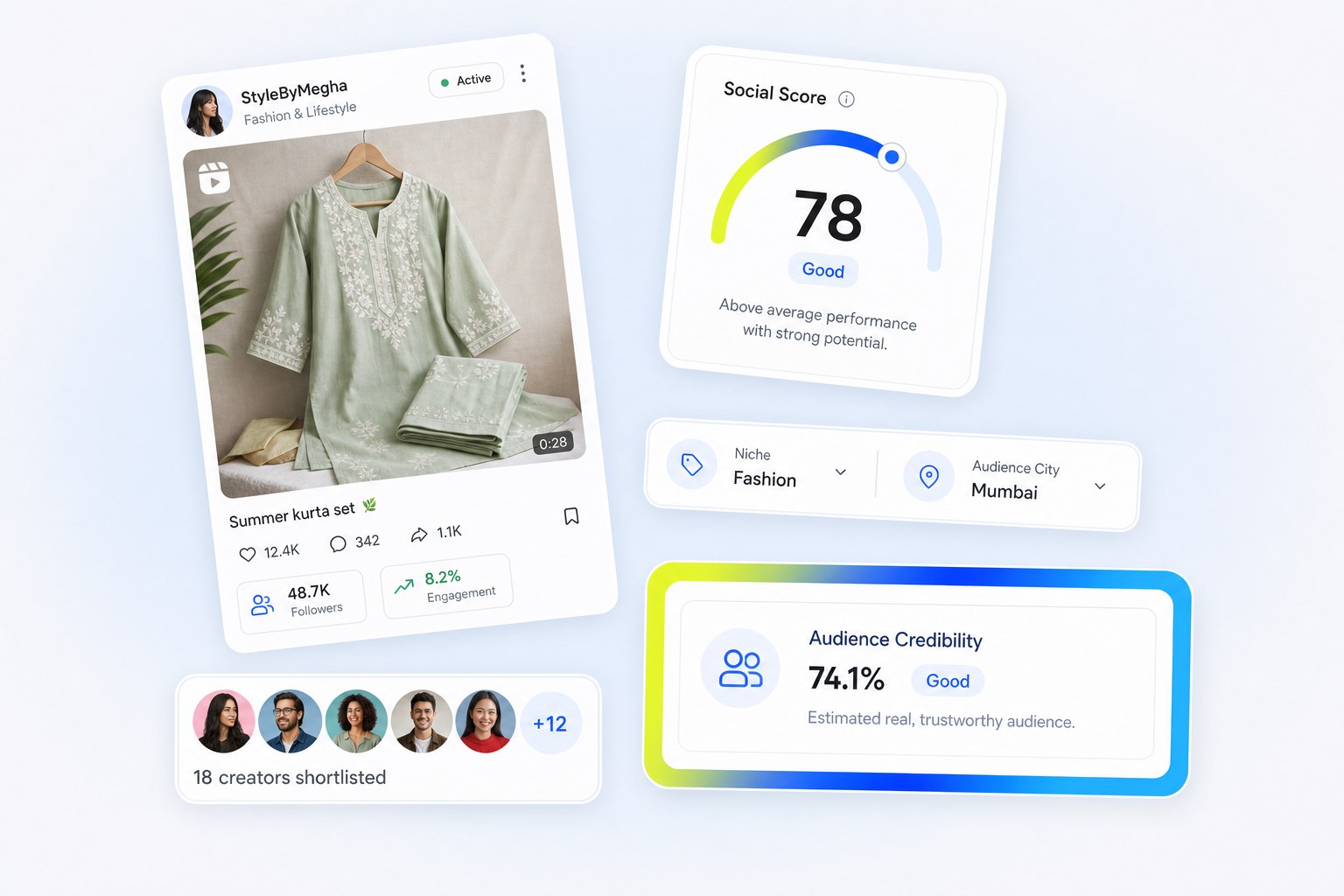
Where fashion brands are putting creator content
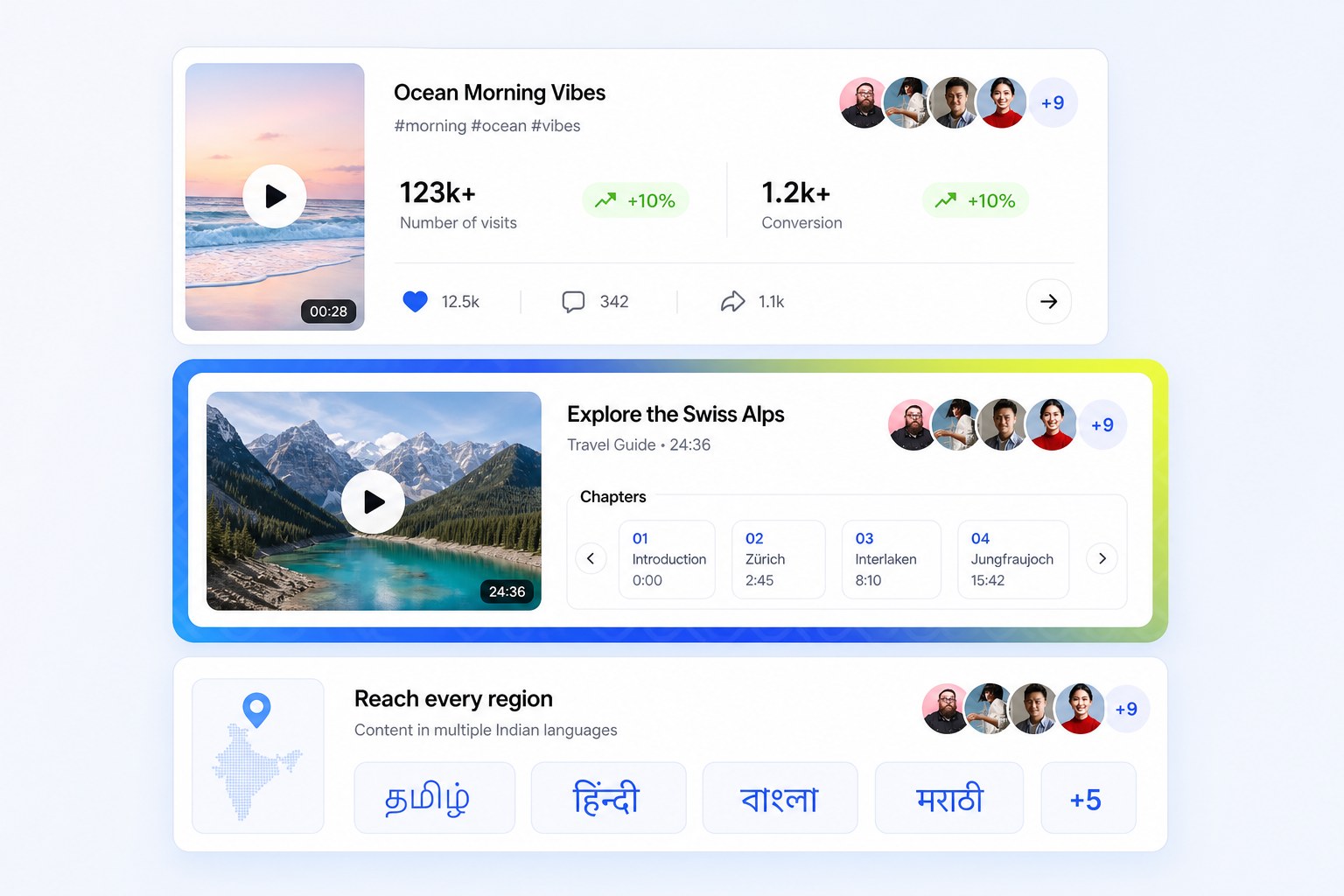
Instagram, and Reels in particular, still takes the largest share of fashion creator briefs. A photo shows what a kurta looks like. A Reel shows how it falls when you walk. That is often the detail that settles a purchase.
YouTube plays a different role. It is where people go for styling tips, seasonal lookbooks, and hauls that cover 6 or 7 pieces in one video. Viewers spend longer with this content and are usually closer to buying than someone scrolling Reels on the metro.
Short trend-led video is the third piece. A sound or a transition format can peak and fade inside 2 weeks, so brands work with creators who can shoot and publish while it is still climbing. The brief here is loose on purpose: the creator knows the trend better than the brand does.
Regional-language creators are the fastest-growing line in most fashion budgets, especially for brands trying to reach shoppers in Tier 2 and Tier 3 cities. A Tamil or Marathi creator talking about a festive collection lands differently in Coimbatore or Nashik than a Mumbai lifestyle account does.
There is no single right platform. Pick it by the job: Reels to get attention, YouTube to help someone decide, regional creators to reach a city your metro creators do not.
The creator tier shift in fashion
Fashion has always been a category where the recommender matters as much as the recommendation. Brands are now choosing creators who have built trust with one specific audience over the biggest name available.
Micro and nano creators gain from this. A creator known for sustainable fashion or budget styling has followers who already care about that subject. Compare that with a large lifestyle account that promotes a different brand every week. The niche audience is interested before the post goes live. The broad audience has to be convinced from zero.
Macro creators still have a role. For a launch that needs reach in a week, a big account does the job. But for the campaigns that have to sell, relevance beats follower count more often in fashion than in most categories. If you need the follower bands for each tier, the Instagram influencer marketing beginner’s guide has a full table.
Soch Apparels is a useful example. The brand wanted engagement in specific cities rather than a national number, so it picked creators for Delhi, Mumbai, Kolkata and Bengaluru by audience fit rather than size. Regional engagement rose 45%.
The content formats getting the most attention
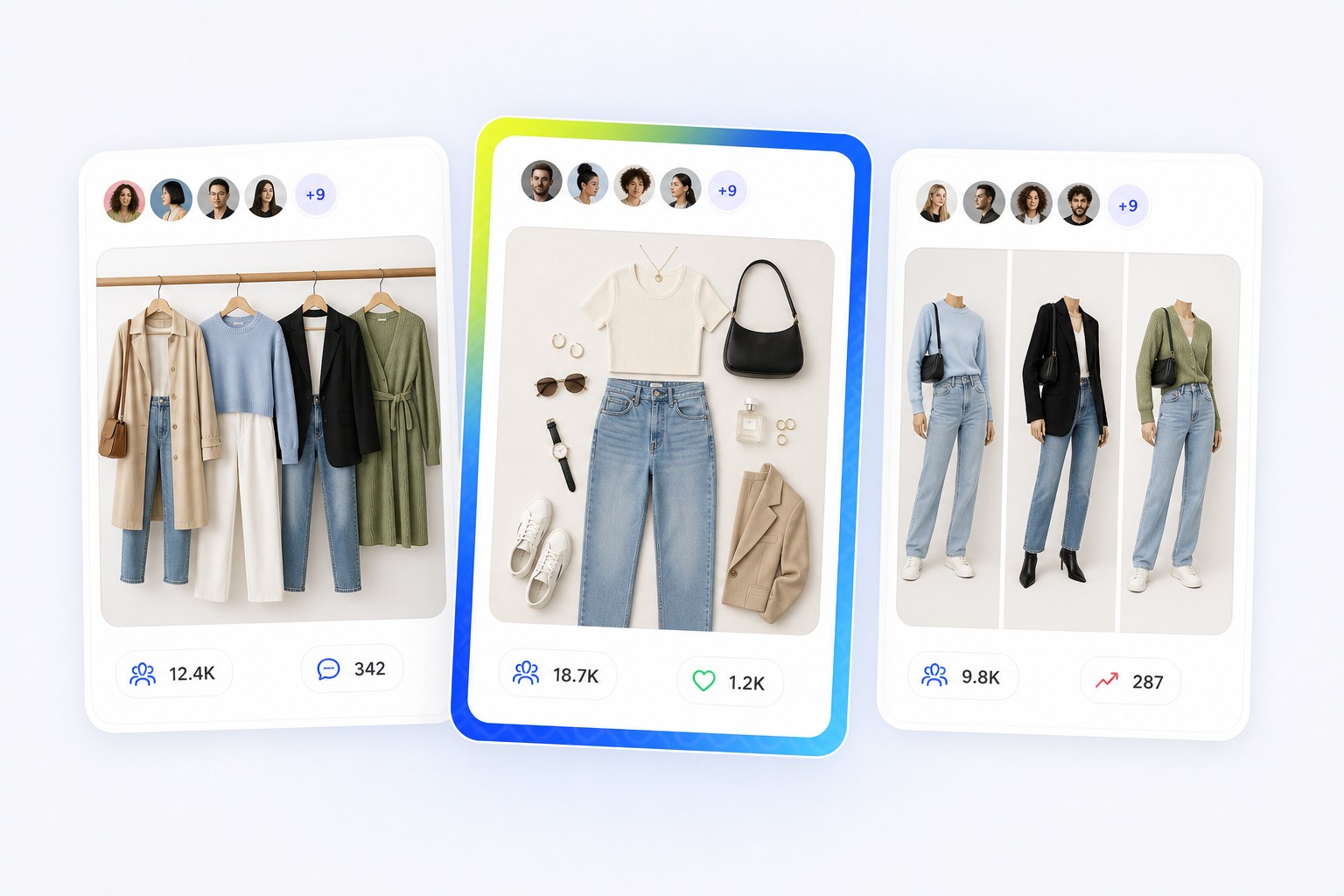
Three formats are doing most of the work in fashion right now, and each solves a different problem for the shopper.
- Try-on hauls. Several pieces in one video, so the viewer sees fit and fabric on a real body rather than a mannequin.
- Get ready with me (GRWM). A complete outfit comes together on camera, which makes it easy for viewers to picture themselves wearing it.
- Outfit transitions. 5 or 6 looks in 20 seconds. Fast, rewatchable, and built for Reels.
What these share is movement. Static product photos still belong on the product page. In a creator’s feed, the content that gets saved and shared shows clothes being worn.
A practical note for briefs: ask for the format, not the shot list. A creator told “a GRWM around the new co-ord set” will make something that fits their feed. A creator handed a 12-point shot list will make an ad.
Checking a fashion creator’s credibility before you book them
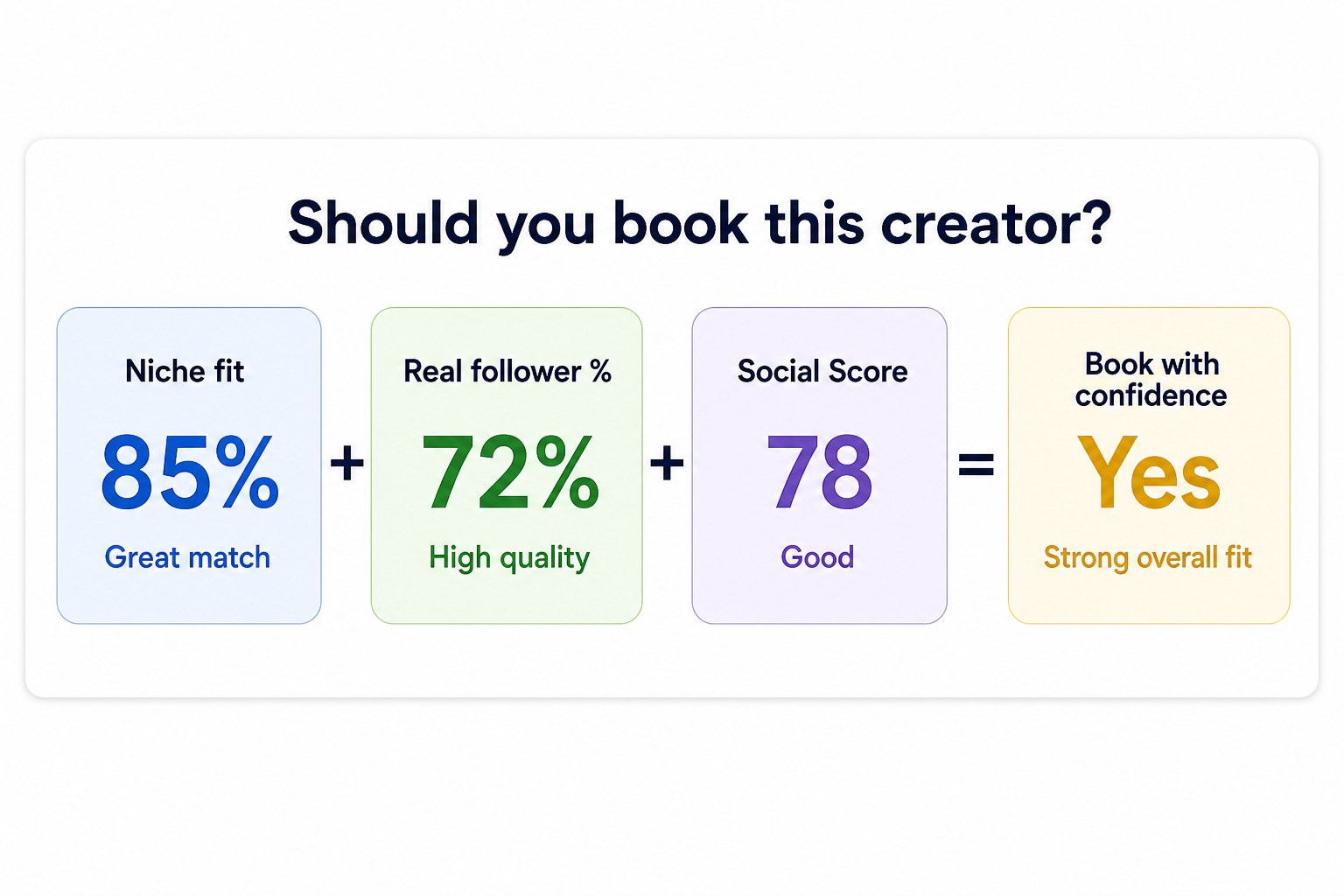
This is where fashion brands get caught out more than in any other category. A fashion creator can look completely credible, with a polished feed and a good-looking following, and still have an audience that is heavily inflated underneath. Follower count and visual polish are weak signals here, because a fashion creator’s whole pitch is visual. That makes it easy to fake convincingly and hard to catch from the profile alone.
Three numbers do the job better than a scroll through the grid.
- Real follower percentage. How much of the audience is genuine people who actually use the platform.
- Suspicious account rate. Bots, spam, inactive and mass-following accounts that add to the count but never engage.
- Social Score. A composite credibility read that is harder to inflate than raw engagement rate, since one viral post or a bought engagement spike does not move it the same way.
The influencer suite lets you filter 400M+ creator profiles by niche, audience location and audience quality, and shows real follower percentage and Social Score next to each profile before you send a single message. Two creators with 80,000 followers each can have completely different audiences, so check every profile individually. The vetting checklist covers the full set of checks.
Watching what competing fashion brands are doing
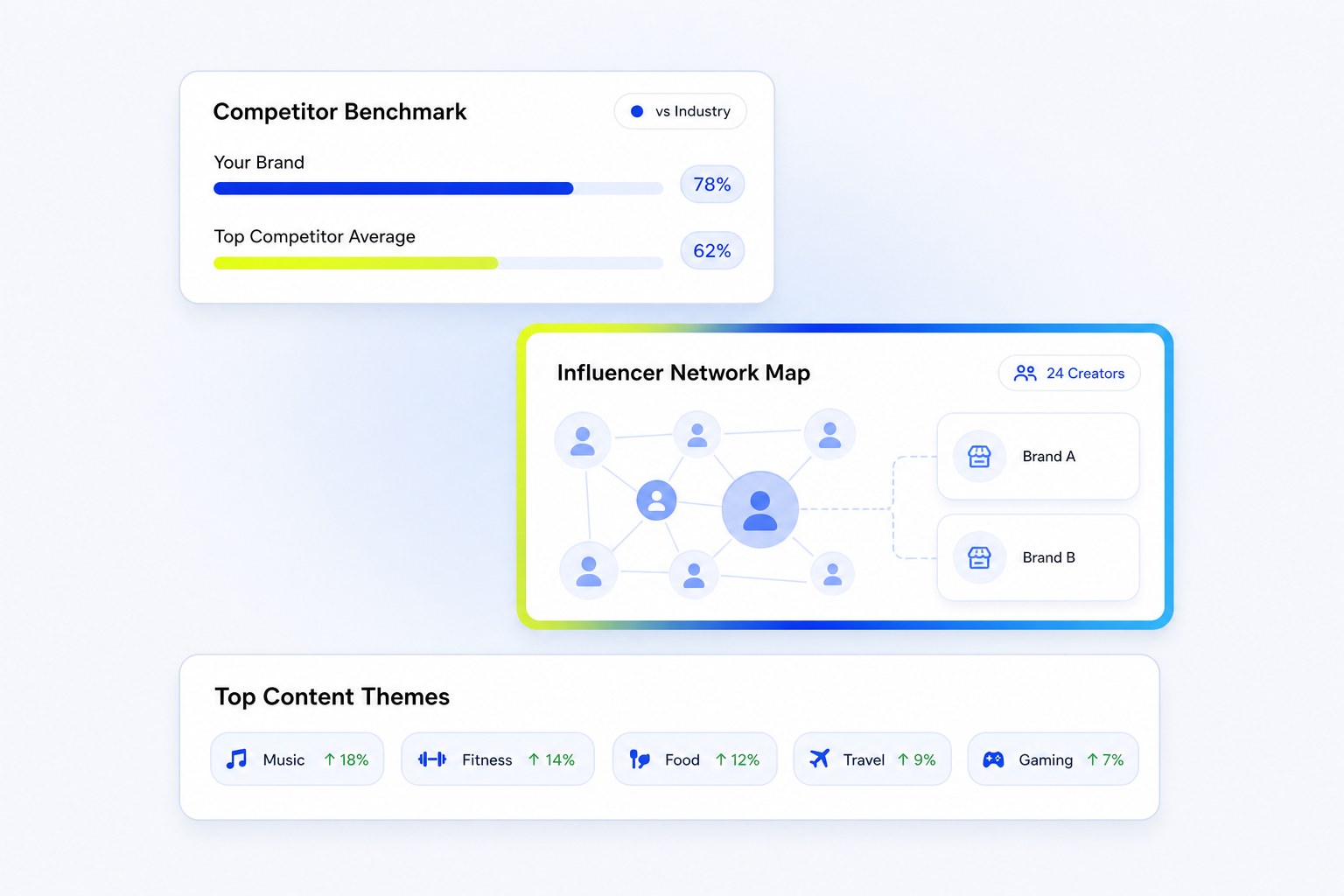
Fashion moves faster than most categories. A styling format one brand popularises can be everywhere within weeks, and what looked fresh in a competitor’s feed a month ago feels dated by the time everyone has copied it.
Competitor analysis in the listening suite is built for this. An influencer map shows which creators a competing fashion brand has worked with recently. Content tracking shows which themes a competitor is producing more of, so a change in direction shows up before it is obvious to the whole category. Benchmarking puts your engagement rate and Social Score next to a defined set of competing fashion brands rather than a vague industry average.
Timing is the whole point. Finding out a competitor changed format or creator strategy a month after the fact means reacting to something the audience has already moved past.
What this means for a fashion creator strategy in 2026
Getting fashion influencer marketing right in 2026 is about better choices, not bigger budgets. Pick platforms and formats based on how your products are best experienced. Choose creators for relevance to your audience, not for follower count. Check audience credibility every time, because an impressive feed says nothing about whether the followers are real. And watch your category, since in fashion the window between “new” and “everywhere” is a few weeks.
For the wider picture on platforms, tiers and regional spend across categories, see the India influencer marketing report 2026.
See CultureX in action
Search fashion creators by niche and audience quality, then watch what competing brands are doing, in one platform.
Frequently asked questions
What kind of influencers work best for fashion brands?
Micro and nano creators with a tightly defined niche, such as streetwear, ethnic wear or sustainable fashion, tend to convert better than broad lifestyle accounts, because fashion audiences respond to perceived authenticity more than to reach. Bigger creators still make sense for pure awareness, where the goal is the most eyes in the shortest time.
Which platform is best for fashion influencer marketing in India?
Instagram remains the main platform, with Reels doing most of the work because they show how an outfit fits and moves. YouTube suits longer styling content, lookbooks and hauls. Regional-language creators are growing fastest, especially for reaching shoppers outside the major metros.
How do I check if a fashion influencer’s followers are real?
Do not judge a creator by follower count or a polished profile. Check the real follower percentage, the share of suspicious accounts and the Social Score. Two creators with similar numbers can have completely different audience quality, so check every profile before you decide.
What content formats are fashion brands using with influencers in 2026?
Try-on hauls, get-ready-with-me videos and outfit transitions. All three show clothes being worn and moving, which is what makes fashion content feel real and gets it saved and shared.
Should fashion brands work with micro or macro influencers?
It depends on the goal. For sales and conversions, micro and nano creators usually win because their audience trusts them on that subject. For reaching a large audience quickly, macro and mega creators are still useful. Either way, fashion audiences spot content that feels too promotional very quickly.