
The short version
- EY projects India’s influencer marketing sector at Rs 3,375 crore by 2026, growing 18% a year. The bigger change is how that money is structured.
- Spend is spreading across Instagram, YouTube and regional-language creators, and moving down the tiers toward micro and nano.
- The brands pulling ahead run always-on creator rosters and check audience credibility before every booking.
India’s influencer marketing sector is projected to reach roughly Rs 3,375 crore by 2026, growing at an 18% CAGR, according to EY’s State of Influencer Marketing in India report. That number on its own does not say much. What has changed underneath it does.
Three years ago, running influencer marketing in India usually meant one platform, a handful of macro creators in the metros, and a brief built around reach and engagement rate. In 2026, a brand with a comparable budget is more likely to be running a mix of creators across 2 or 3 platforms and several cities, briefing regional micro creators for city-specific launches, and reporting on cost per engagement and attributed conversions rather than reach alone.
This report pulls together published research and what we see across the 500+ brands and 100+ agencies running campaigns on CultureX. It covers 5 shifts: platform distribution, creator tiers, vertical spend, Tier 2 and Tier 3 growth, and the move from campaign-based to always-on programs.
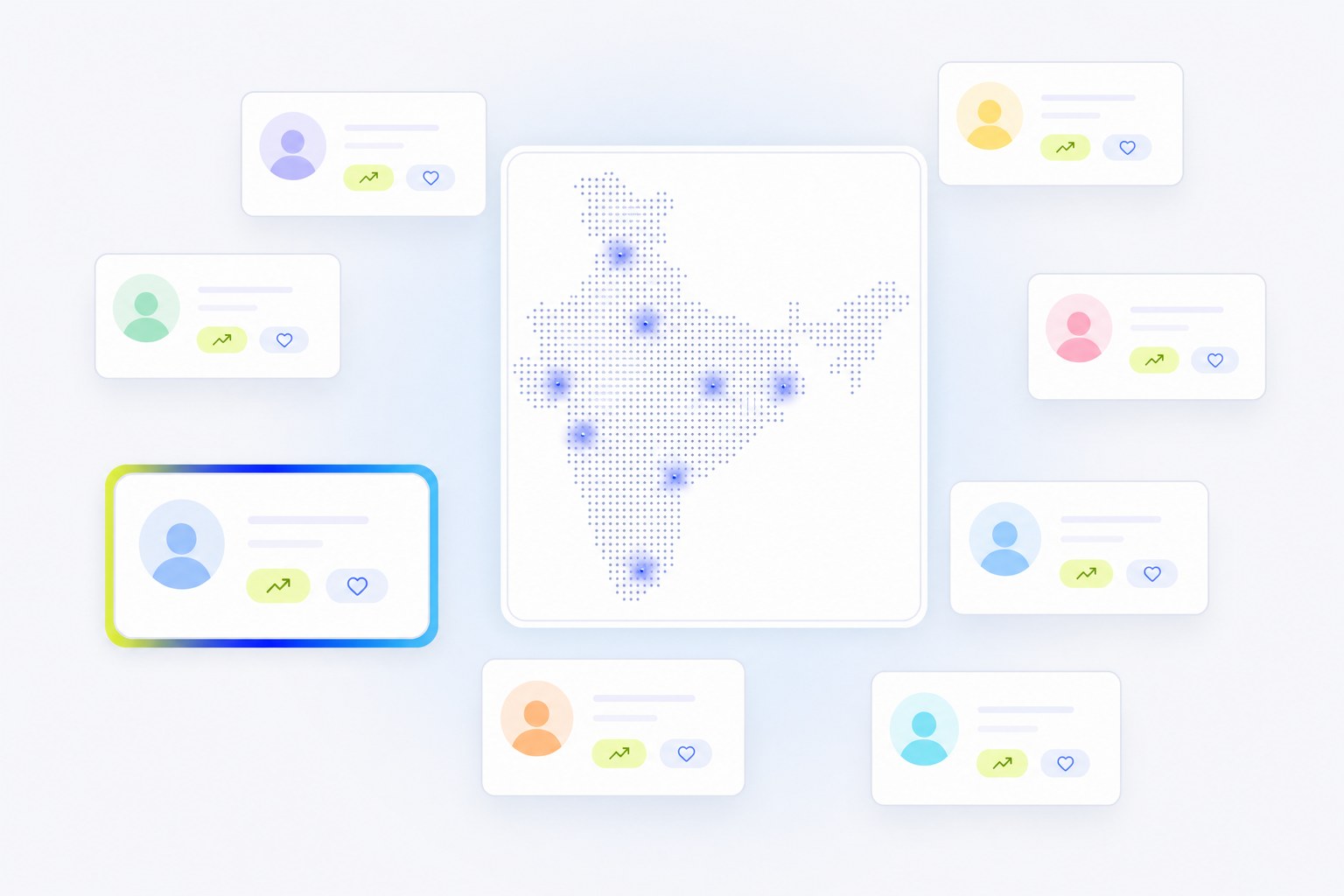
Platform distribution: where Indian influencer spend is going
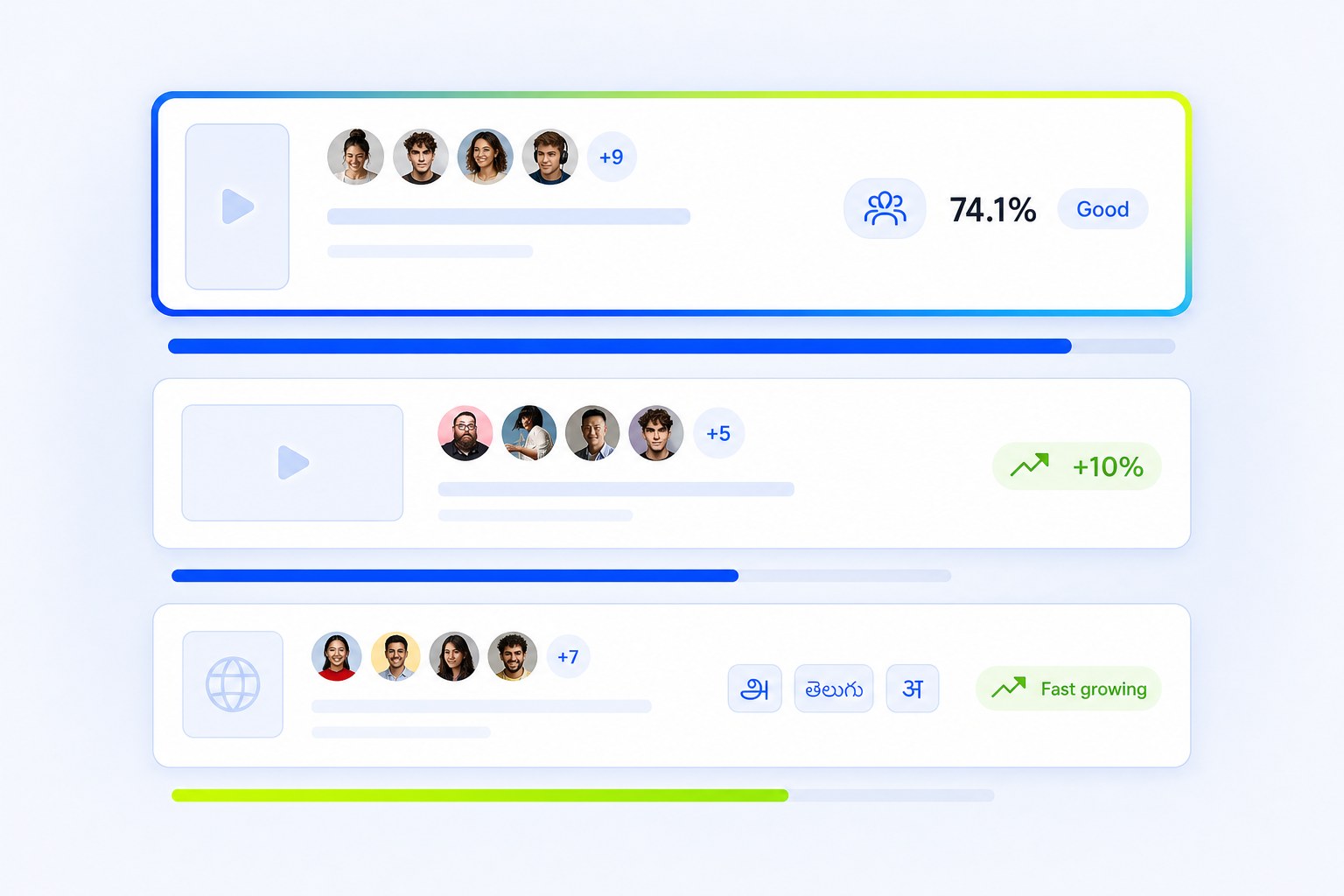
Instagram still holds the largest share of branded influencer content in India, especially in beauty, fashion, food and lifestyle. Reels make up most campaign deliverables on the platform, since they carry more organic reach than static posts. EY’s report names Instagram and YouTube as the two platforms Indian audiences prefer most for influencer content.
YouTube is strengthening in categories where the buyer needs more convincing before acting. Finance, edtech, technology and automotive programs are putting more budget behind long-form YouTube content, because someone watching a 12 to 15 minute review is usually further along in the decision than someone scrolling a 30-second Reel.
Regional-language content is the platform story most brands still underweight. Coherent Market Insights, citing YouTube India, reports that regional-language videos now account for more than 60% of the platform’s watch time in the country, led by creators working in Tamil, Telugu and Bhojpuri. For FMCG, healthcare and regional retail brands targeting non-metro audiences, this is close to the main platform strategy now.
A single-platform strategy leaves real reach on the table in 2026. The strongest Indian programs run coordinated content across 2 or 3 platforms, with the split decided by category and objective rather than habit. Influencer discovery and campaign tracking on CultureX cover Instagram and YouTube in one view, so a cross-platform program does not mean a separate tool for each one.
Creator tiers: the shift toward micro and nano
Macro and mega creators are losing campaign share in the categories where audience trust carries the most weight: beauty, skincare, wellness, food. Audiences have grown more sensitive to content that reads as clearly paid, and high-volume sponsored posting converts less per rupee than it did 2 or 3 years ago.
Micro creators, at 10K to 100K followers, are now the highest-volume tier in most Indian brand campaigns we see. EY’s research points at part of the reason: nano and micro creators consistently show stronger engagement rates than the larger tiers. The trade-off is coordination. Running 15 micro creators takes more operational structure than running 3 macro creators on the same budget. Nano creators, at 1K to 10K followers, are used for regional activation and community seeding, particularly for Tier 2 and Tier 3 launches where a local voice carries more trust than a national one.
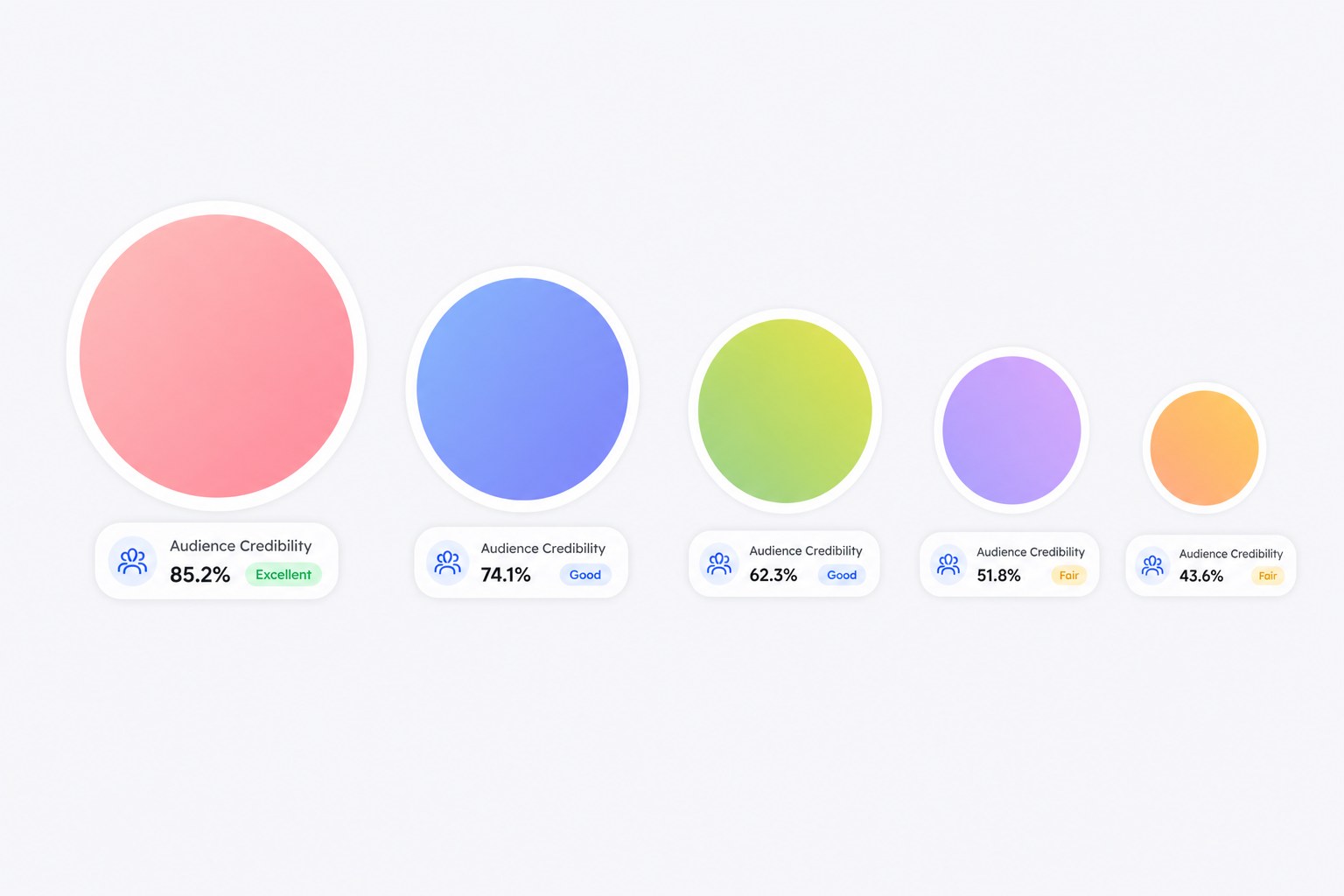
The credibility gap inside a tier is widening too, and it is easy to miss when you filter by follower count alone. Two creators at a similar follower count in the same category, beauty for example, can show very different real follower percentages and suspicious account rates underneath. Checking credibility per creator, rather than shortlisting on follower count and engagement rate, has become a bigger part of discovery than it used to be.
In our campaigns, a credibility-checked Tier 2 micro creator with an audience in the brand’s target geography often outperforms a mega creator in the same category, at least when the goal is conversion rather than awareness. For the follower bands and what each tier is good for, see the Instagram influencer marketing beginner’s guide.
Vertical spend trends: where Indian brands are shifting investment
Beauty and personal care still leads influencer investment in India by a wide margin. EY names lifestyle, fashion and beauty as the categories driving most of the sector’s growth, since audiences here search, review and buy off creator recommendations at a rate few other categories match. Fashion brands in particular have moved almost entirely to video formats that show clothes in motion.
FMCG and consumer goods brands are scaling regional creator programs, moving from single national macro campaigns to distributed micro-creator programs for city and state-level launches, where cultural relevance and local trust do most of the persuading. D2C brands, particularly in fashion, fitness and wellness, were among the earliest to move to always-on, owned creator rosters instead of rebuilding a shortlist every campaign. Fintech and edtech brands are putting more into YouTube for long-form content that can properly explain a complicated product. Retail marketing teams are using the same tools to read sentiment and benchmark competitors while campaigns run.
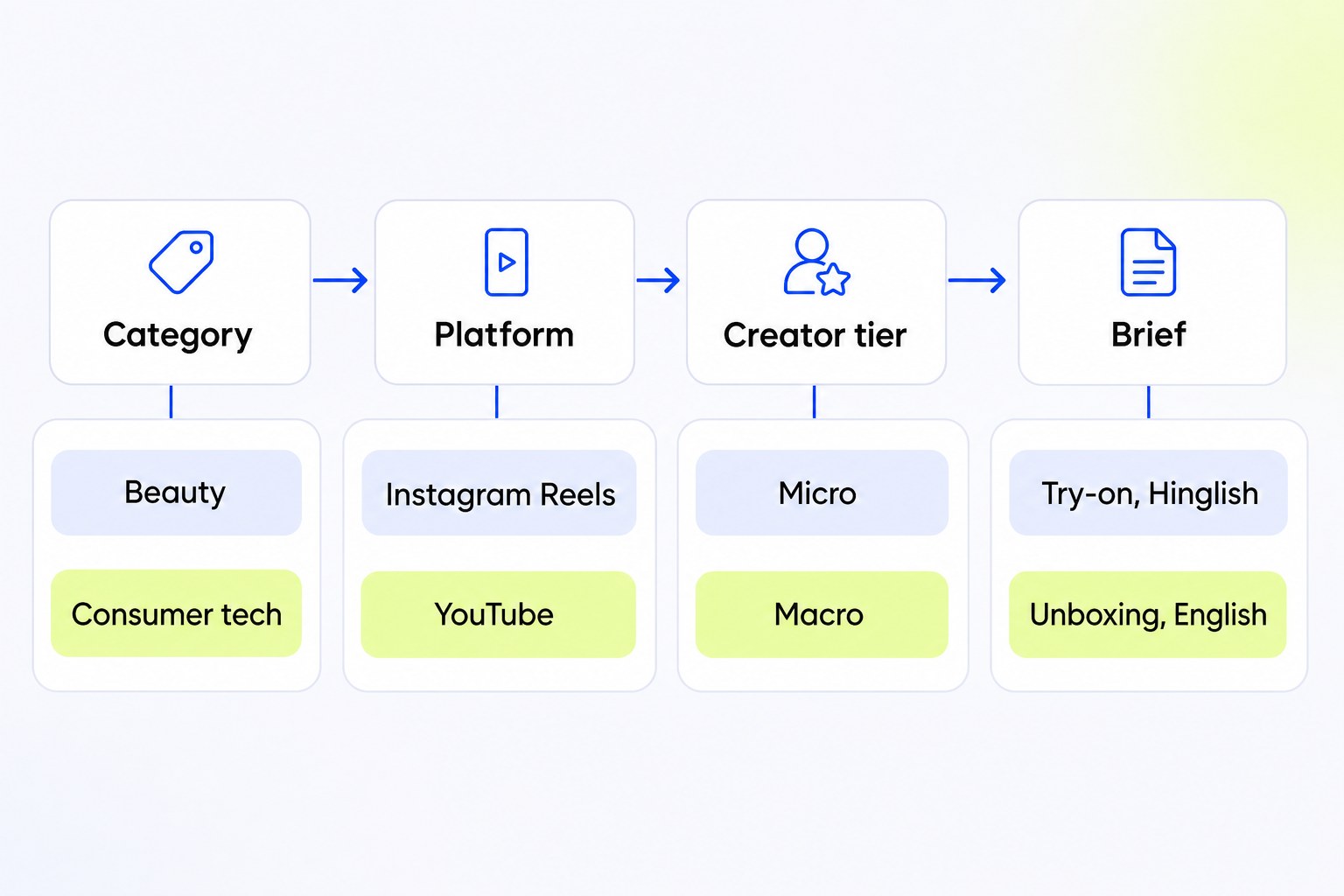
The pattern behind all of this: category determines platform, platform determines creator tier, and creator tier determines what a brief should look like. A fintech brand running a beauty brand’s influencer playbook is optimising for the wrong combination of all three.
Regional growth: Tier 2 and Tier 3 India
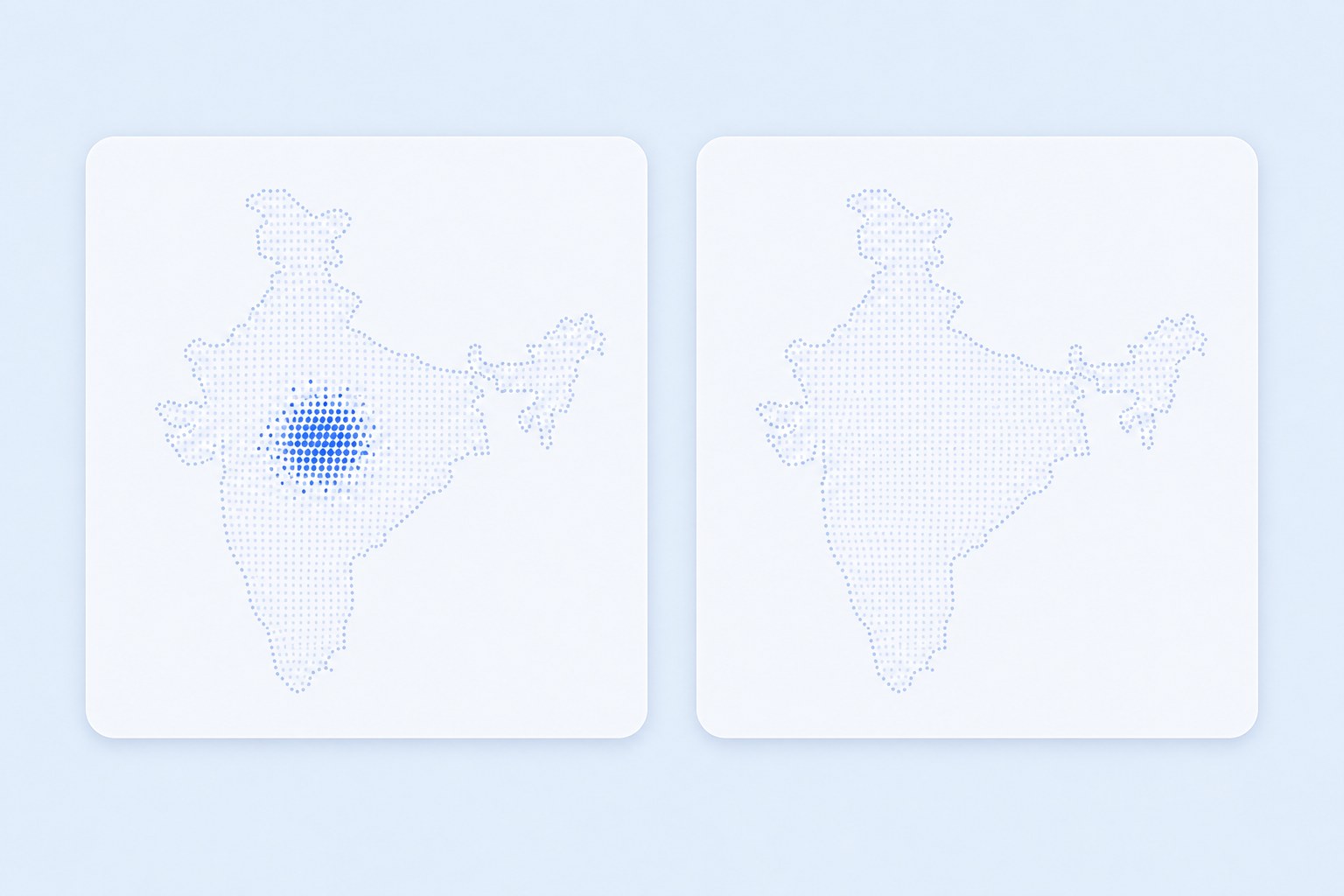
The Indian creator market has grown well past the 8 major metros. Jaipur, Lucknow, Chandigarh, Coimbatore, Indore, Nagpur and Bhubaneswar all have established creator communities now, and these creators often carry a tighter geographic audience concentration than a metro creator. A Jaipur-based creator is more likely to have an audience concentrated in Rajasthan than a Delhi-based creator, whose audience is spread across the whole country.
That is why Tier 2 and Tier 3 discovery needs different search criteria from metro discovery. Where a creator lives matters less than where their audience is. A creator based in Bhopal with an audience concentrated in Madhya Pradesh can be a stronger fit for a regional FMCG launch than a Mumbai creator whose audience is scattered nationally, even if the Mumbai creator’s raw numbers look bigger. Brands running the same campaign in English and in a regional language keep reporting stronger engagement from the regional version outside the metros.
Audience location filtering, not creator location filtering, is the right starting point for regional discovery. CultureX filters by where a creator’s audience sits rather than where the creator lives, which is what makes regional discovery reliable rather than a guess based on a listed city. Soch Apparels used exactly this approach to pick creators for Delhi, Mumbai, Kolkata and Bengaluru and lifted regional engagement 45%.
Program structure: from campaign-based to always-on
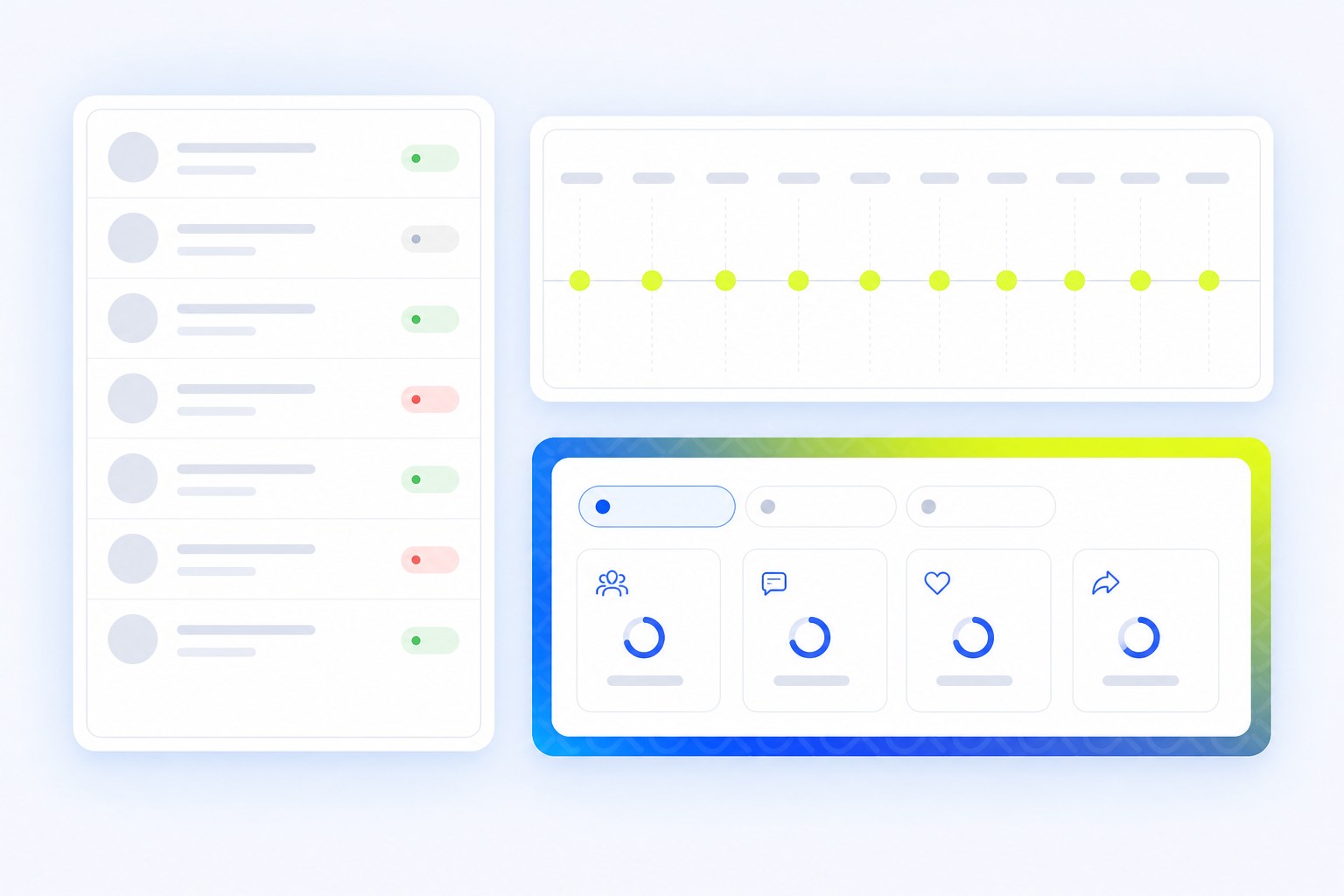
The single biggest structural shift in Indian influencer marketing right now is the move from campaign-based to always-on creator programs. A campaign-based approach rebuilds the roster from scratch for every activation, paying for discovery and vetting again and again while missing the compounding value of a mature creator relationship.
An always-on program keeps a standing roster of creators briefed on a monthly or seasonal cadence, so the brand stays visible in-feed continuously rather than only during a campaign window. This matters most in categories with a longer purchase cycle: furniture, electronics, financial products, skincare routines, where a single burst campaign does not carry the same weight.
The infrastructure gap is what drives platform adoption here. Managing a standing roster, monthly briefing cycles and continuous tracking across 20 creators without a dedicated system is more overhead than most brand teams can carry by hand. The community suite exists for this: onboarding forms shared through a bio link, a live filterable member dashboard, and comment classification so the roster’s audience feedback is read rather than skimmed. At agency scale, Momentum ran 7K+ influencers and an 80Cr+ budget this way, cutting influencer costs 25% and lifting ROI 40%.
What the 2026 picture means for your strategy
Platform strategy should follow the category, not habit
Instagram-first is no longer the right default for every category. Finance, edtech and high-consideration consumer goods brands should weight YouTube more seriously, and regional-language content deserves its own strategy rather than a translated afterthought.
Creator tier should follow the objective, not the budget
Awareness campaigns can still lean on macro and mega reach. Conversion campaigns in most Indian consumer categories are seeing stronger per-rupee returns from credibility-checked micro creators with a niche, regional audience.
Credibility checking is a baseline requirement
As the market matures and audiences get better at spotting paid content, the performance gap between credibility-checked selections and follower-count selections keeps widening.
Always-on beats campaigns in long-consideration categories
Brands building an owned creator roster are building an asset that compounds, in relationships and in a content library, instead of resetting every quarter. These trends are visible today and will keep shifting as the market matures; we will update this report as the numbers move.
See CultureX in action
Build an India influencer program on audience data, regional discovery and an always-on roster, in one platform.
Frequently asked questions
How big is the influencer marketing market in India in 2026?
EY projects India’s influencer marketing sector at around Rs 3,375 crore by 2026, growing at roughly 18% a year. The bigger story is how differently the market is structured now, spread across more platforms, tiers and cities than 2 years ago.
Which platform is most effective for influencer marketing in India?
It depends on the category. Instagram leads for beauty, fashion, food and lifestyle, largely through Reels. YouTube is strengthening where the buyer needs more explanation before deciding, such as finance, edtech, technology and automotive. Regional-language content is growing fastest outside the major metros.
What creator tier works best for Indian brand campaigns?
Micro creators (10K to 100K followers) are the highest-volume tier for most Indian brands, balancing engagement and cost. Nano creators work for regional activation. Macro and mega creators still fit awareness campaigns but are losing ground in trust-driven categories like beauty and wellness.
How are Tier 2 and Tier 3 cities changing influencer marketing in India?
Established creator communities now exist well beyond the 8 major metros, in cities like Jaipur, Coimbatore, Indore and Nagpur. These creators carry a tighter, more geographically concentrated audience, which makes audience location filtering more useful than creator location filtering for a regional launch.
What is the difference between campaign-based and always-on influencer programs?
A campaign-based program rebuilds the creator shortlist from scratch for every activation. An always-on program keeps a standing roster briefed on a regular cadence, building relationships and a content library that compound instead of starting over each time.