
The short version
- Competitor analysis for influencer campaigns is a standing input to every brief, not a research project you run once a year.
- The method has 5 steps: define the competitive set, map competitor creator partnerships, read the shared audience’s reaction, find format gaps, and track the gap monthly.
- Before any brief goes to the creative team, answer 3 questions: who on the shortlist is already with a competitor, which format the shared audience is responding to, and whether you are gaining or losing share of voice.
Three weeks before Diwali, a D2C skincare brand locks a shortlist of 12 creators. The brief goes out on Monday. By Thursday, 3 of those creators have posted Diwali content for a competitor, using the gifting angle the brand had planned for itself. Nobody had asked the creators about conflicts. Nobody had checked what the competitor was doing.
That is a normal week in Indian influencer marketing. The creators, the shared audience and the content formats are available to every brand in the category. Whoever reads the category first gets to choose. Social media competitor analysis for influencer campaigns is how you make sure that is you.
This guide covers the method: 5 steps you run before every brief. If you want the wider research use cases, read social media market research. For listening applications beyond competitors, see 15 ways to use social listening.
The 5-step method at a glance
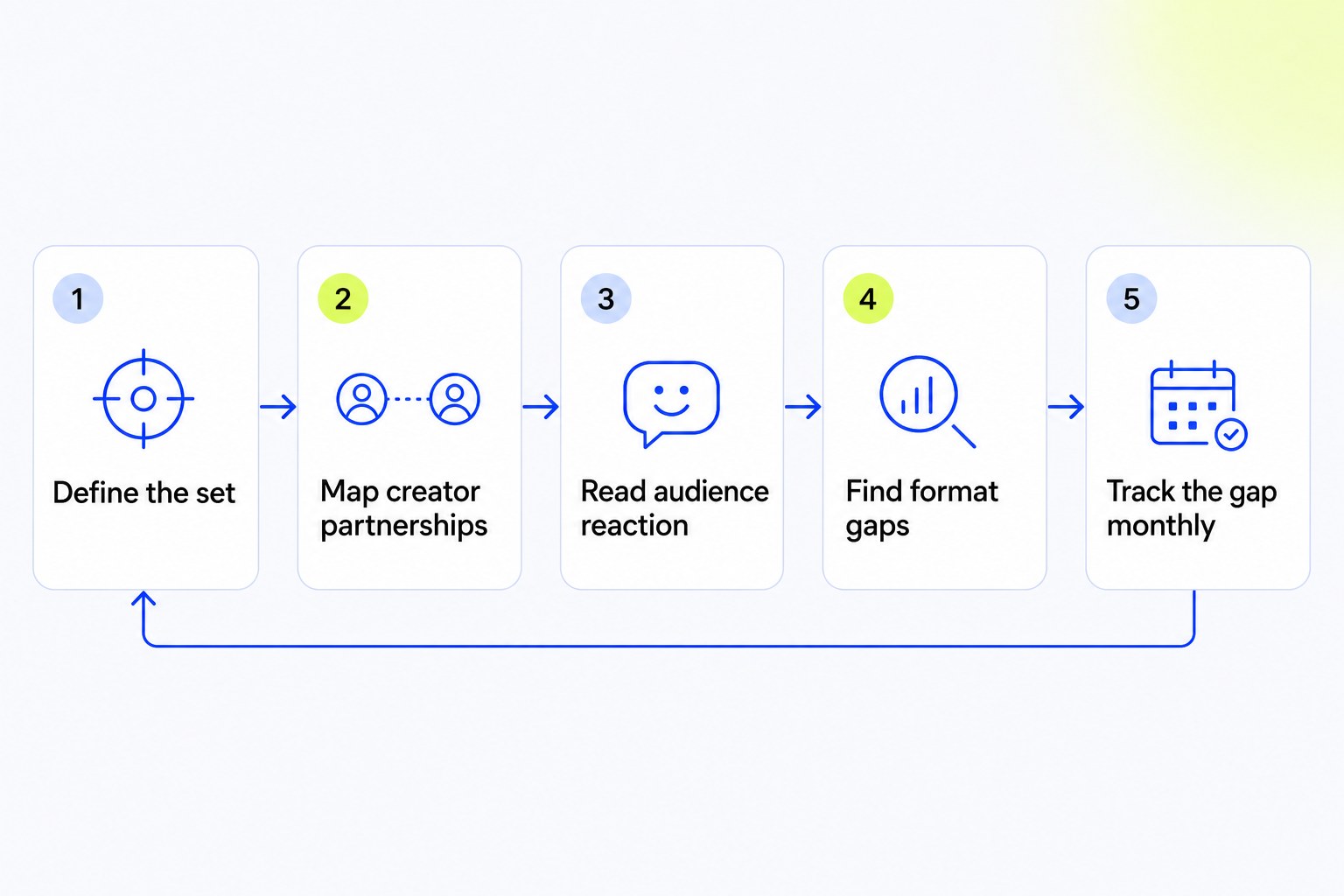
Each step feeds the next. Skip step 1 and you track the wrong brands. Skip step 5 and every campaign starts from zero again.
- Define the competitive set. Decide which brands matter and how closely to watch each.
- Map creator partnerships. See which creators competitors are working with before you shortlist.
- Read the audience reaction. Check how competitor content lands with the audience you share.
- Find format gaps. Spot what the category is posting more of, and what nobody is doing yet.
- Track the gap monthly. Put your numbers next to theirs over the same window so the trend shows.
Step 1: define the competitive set before you track anything
Not every brand in the category deserves the same attention. A brand running creator campaigns on Rs 10 lakh a quarter is competing with brands at a similar tier, not with the category leader spending 10 times that on macro creators.
There are 3 types of competitor worth watching, and they do not need the same depth of tracking.
Direct competitors
Same category, same price point, same audience. Their creator activity shapes what your shared audience sees and how it feels before your own campaign launches. Watch 1 to 3 of these closely.
Aspirational competitors
A tier above in scale or positioning, the brands your audience also follows. Their creator choices and formats point to where the category is heading, not where it is.
Emerging competitors
Smaller, newer brands growing fast, often from Tier 2 and Tier 3 cities. These usually lean on creators before they build any other channel, so their creator activity is the clearest early signal of where they are going.
For most brands, close tracking of 1 to 3 direct competitors plus a broader watch on the rest of the set for share of voice gives a workable picture without turning monitoring into its own department.
Step 2: check which creators competitors are working with before you shortlist
Before you lock a shortlist, answer 2 questions with data rather than a gut check.
Is anyone on the shortlist mid-campaign for a direct competitor? A creator posting strong numbers for a rival while being briefed on your campaign is an awkward overlap at best and a credibility problem at worst. The audience sees both pieces of content side by side, and the comparison rarely favours whoever posted second.
Which creators are already performing for competitors in your space? A creator delivering results for a competitor has proven, through campaign performance rather than a follower count or a category tag, that they connect with the audience you share.
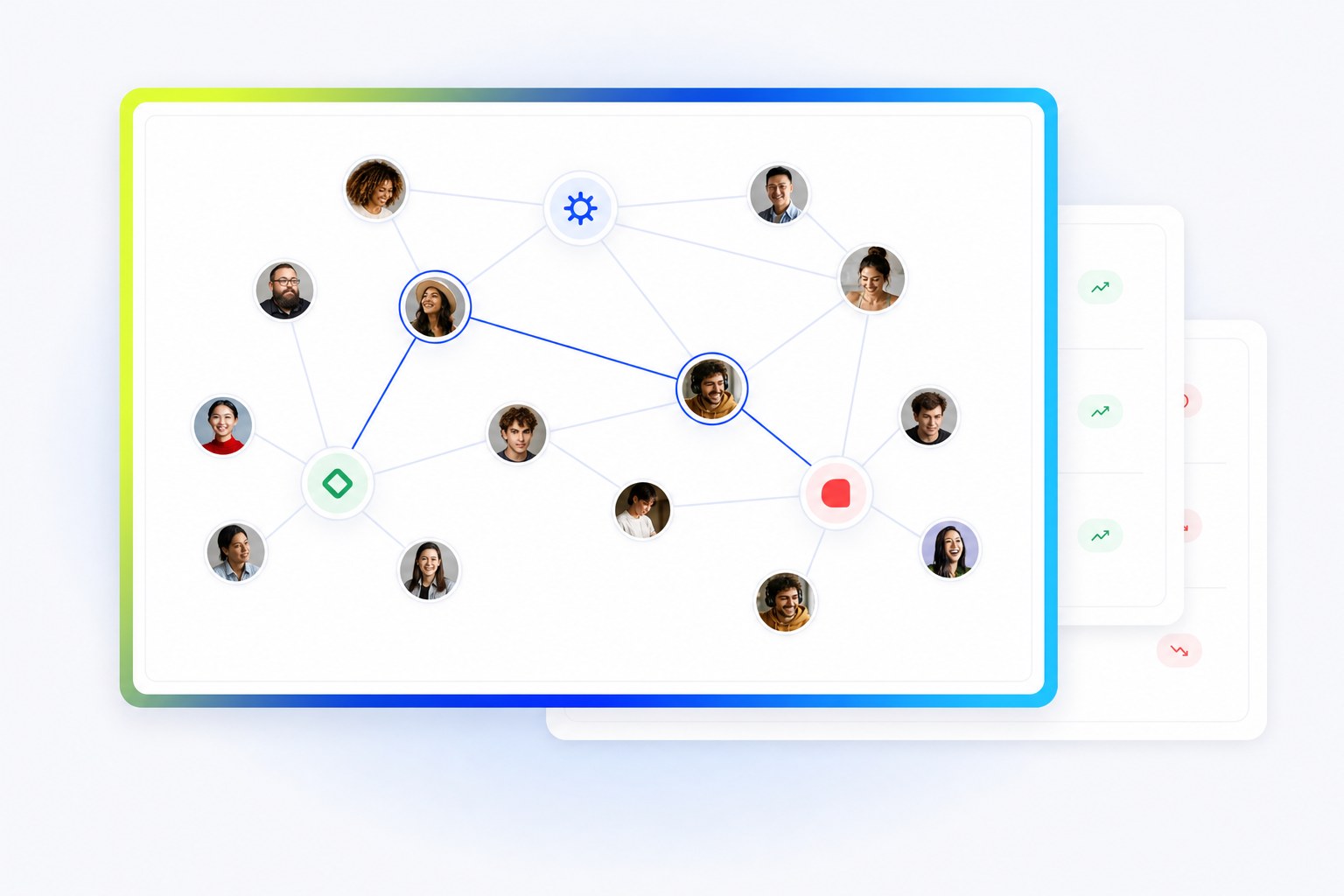
The influencer map in the Listening Suite shows which creators each competitor has worked with recently. The competitor analysis view goes a level deeper on a single competitor: who they are working with right now and how those partnerships are performing. Conflict checks stop being an occasional manual spot check and become part of every briefing.
Step 3: read how competitor content lands with the shared audience
Knowing what a competitor posted gets you halfway. What matters more is how the audience you both sell to reacted.
Comment sentiment on competitor posts is the honest signal. It is the category audience’s unfiltered reaction to a specific creator, product or angle, with no brand filter in between. Positive sentiment building around a competitor’s tutorial format before you run something similar tells you the audience is open to it. Negative sentiment gathering around a product claim on a competitor’s post is worth knowing before you plan the same claim.
Then there is the difference between reach and interest. A competitor post with huge reach and mostly emoji reactions is doing something very different from one with smaller reach and a comment section full of purchase questions. Knowing which is which changes what you ask your own creators to make.
The comments radar tracks sentiment across competitor comment sections, splits it into positive, neutral and negative, and reads Hindi, Hinglish and English in the same thread, which matters for any brand selling outside the metros. It updates continuously rather than as a one-off export. Supertails used that kind of live monitoring on its own channels and lifted brand engagement 60%. The Supertails case study shows the setup.
Step 4: find content format gaps and category trends
A brand that only studies its own past campaigns knows what worked for its own audience before. It has no idea whether the category has moved somewhere it has not followed, or whether the format it leans on is already saturated across the competition.
Two checks belong in every brief.
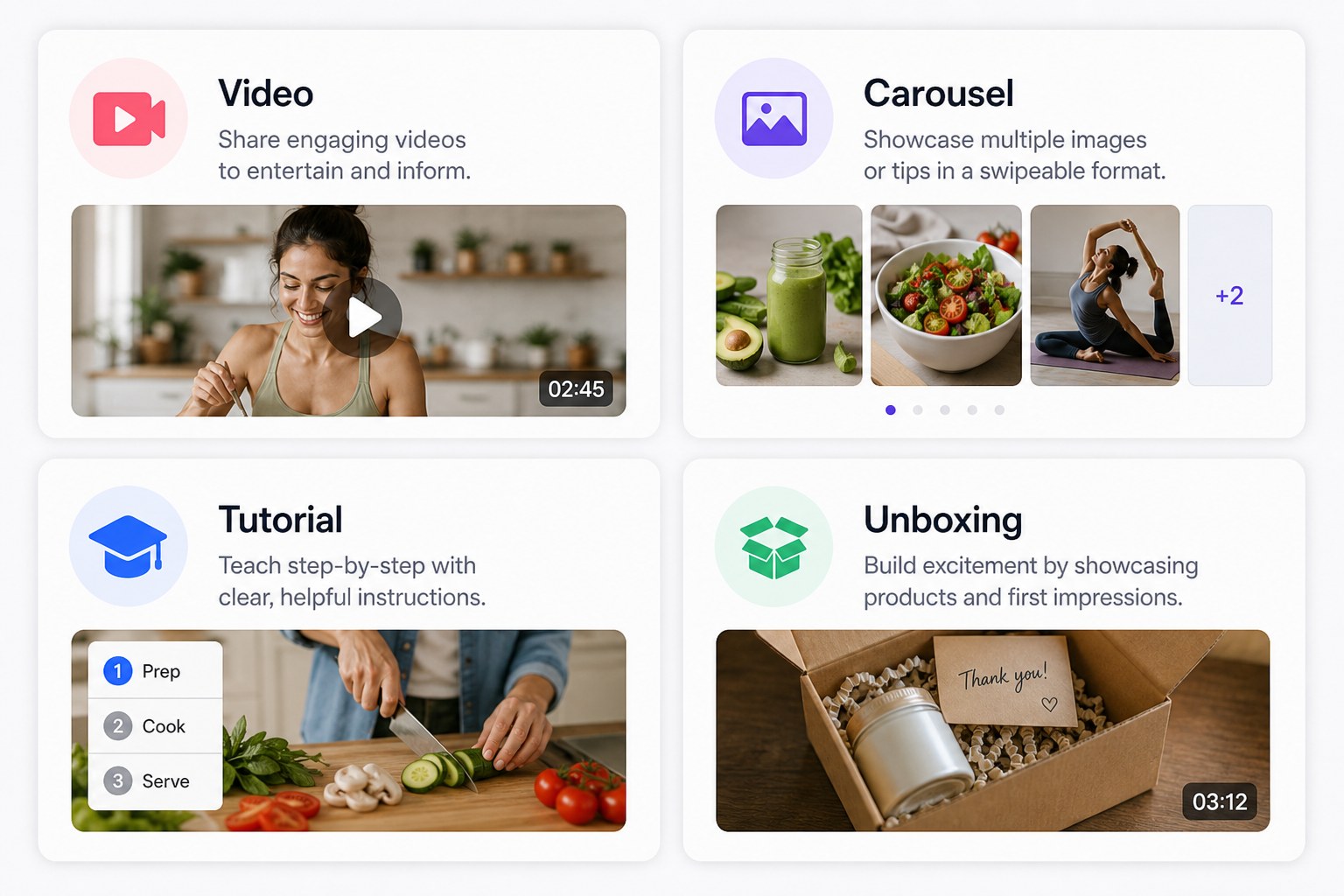
What are competitors posting more of lately? A brand that suddenly publishes far more ingredient education, or shifts from lifestyle shots to how-to tutorials, is usually reacting to something the audience already told them. Where they are moving is usually where the audience already is.
Where is the real format gap? If every competing brand is pushing unboxing and reveal videos and nobody is doing comparisons or explainers, that is the opening. Audiences notice content that feels new. They scroll past another version of what they have already seen 5 times.
Content theme tracking in the Listening Suite groups competitor posts by theme and shows which themes are gaining frequency and which are fading, so format decisions for the next brief rest on data rather than a creative hunch.
Step 5: track the gap over time, not only before the next brief
A campaign can show a 15% lift in engagement and still be losing. If competing brands grew 30% over the same period, that result reads very differently. Numbers only make sense next to what the rest of the market did.
Tracking the gap means putting your numbers next to competitors’ numbers over the same window every month, so a trend shows up rather than a snapshot. Three things to check monthly:
- Engagement rate relative to the category. Improving, flat, or slipping against your direct competitors?
- Social Score trajectory. Is your composite credibility score trending stronger than the competition’s, or falling behind?
- Creator partnership activity. Are you working with more creators, fewer, or a different mix than competitors in the same window?
The competitor analysis view compares your brand against the competitors you choose on followers, engagement rate, Social Score, average views and audience demographics, with the trend built in. It also separates organic from branded posts and shows the creator mix behind each, so when 2 beauty retailers both run Diwali campaigns you can compare them side by side. The share of voice formula itself is covered in the share of voice guide linked above, so it is not repeated here.
3 questions to answer before every brief is written
1. Which creators on the shortlist are working with a direct competitor right now?
Check the influencer map before the shortlist locks, not after outreach has gone out.
2. Which format is the category audience responding to most positively on competitor channels?
Comment sentiment and content theme tracking answer this, and the answer should shape what the brief asks creators to produce.
3. Are you gaining or losing ground on share of voice and engagement rate against your top 2 competitors?
The monthly comparison gives this a real answer and sets the campaign’s competitive goal instead of leaving it unspoken.
If those 3 questions have data-backed answers before the brief reaches the creative team, the campaign starts from a far better place than one that only ever looks inward.
Where this fits with listening and market research
Competitor analysis is one use of social listening, and the one with the most direct effect on your next brief. If you are still working out the difference between listening and intelligence, social intelligence vs social listening settles the definitions. The market research guide covers the broader research questions, such as what the category audience cares about and which concerns are emerging. The 15 ways post lists the full range of listening applications. This page owns the step-by-step method, so the other three link here rather than repeating it.
See CultureX in action
See which creators your competitors are working with right now, before you finalise your next shortlist.
Frequently asked questions
What is social media competitor analysis for influencer marketing?
It is the process of tracking what competitors do with their creator programs: which creators they use, how their content performs, and how the shared audience reacts, so that data shapes your campaign brief before it is finalised.
How do I find out which influencers my competitors are using?
Use a tool built for creator-level competitive tracking. The influencer map in CultureX’s Listening Suite shows which creators a competitor has worked with recently and which campaigns they are running now.
What should I track when monitoring competitor influencer campaigns?
Four things: which creators they work with, how the audience responds in the comments, which formats they post more or less of, and how their engagement rate and Social Score compare with yours over time.
How often should a brand run a social media competitor analysis?
Creator conflict checks before every shortlist. Content and sentiment continuously, so shifts show up early. Broader benchmarking monthly.
What is the difference between social media monitoring and competitive intelligence?
Monitoring tracks what people say about your own content. Competitive intelligence tracks what competitors are doing and how the shared audience responds, and feeds decisions before a brief is written rather than after a campaign runs.