
The short version
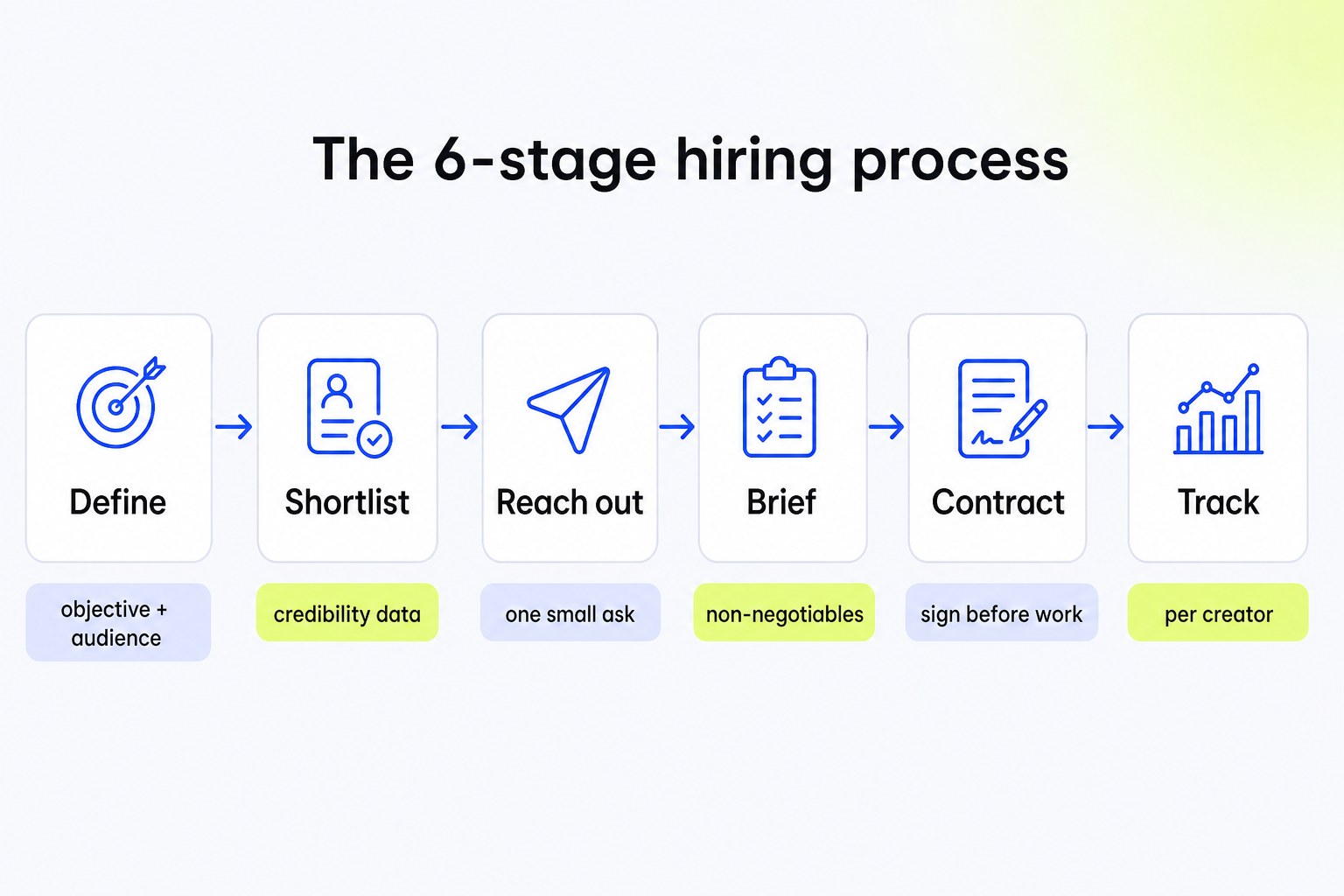
- Hiring influencers is a 6-stage process: define, shortlist, reach out, brief, contract, track. Skip one and the next one gets weaker.
- Shortlist on audience data (real followers, location, content fit), never on follower count alone. The full vetting checklist has its own post.
- Measure per creator, not per campaign, so you know who to rebook and who to drop.
The campaign wrapped 3 weeks ago. A few posts did well. Now someone asks which creator drove the most orders, and whether the team should rebook her for Diwali. The honest answer is a guess.
That is what influencer hiring looks like without a process. The campaign was not a failure. It was incomplete. The information that would make the next campaign better was never collected.
A process fixes that at every stage: what a strong candidate looks like before you search, whether a shortlisted creator’s audience fits before you commit budget, what they owe you before they post, and whether they delivered after the campaign ends. Here are the 6 steps, in order.
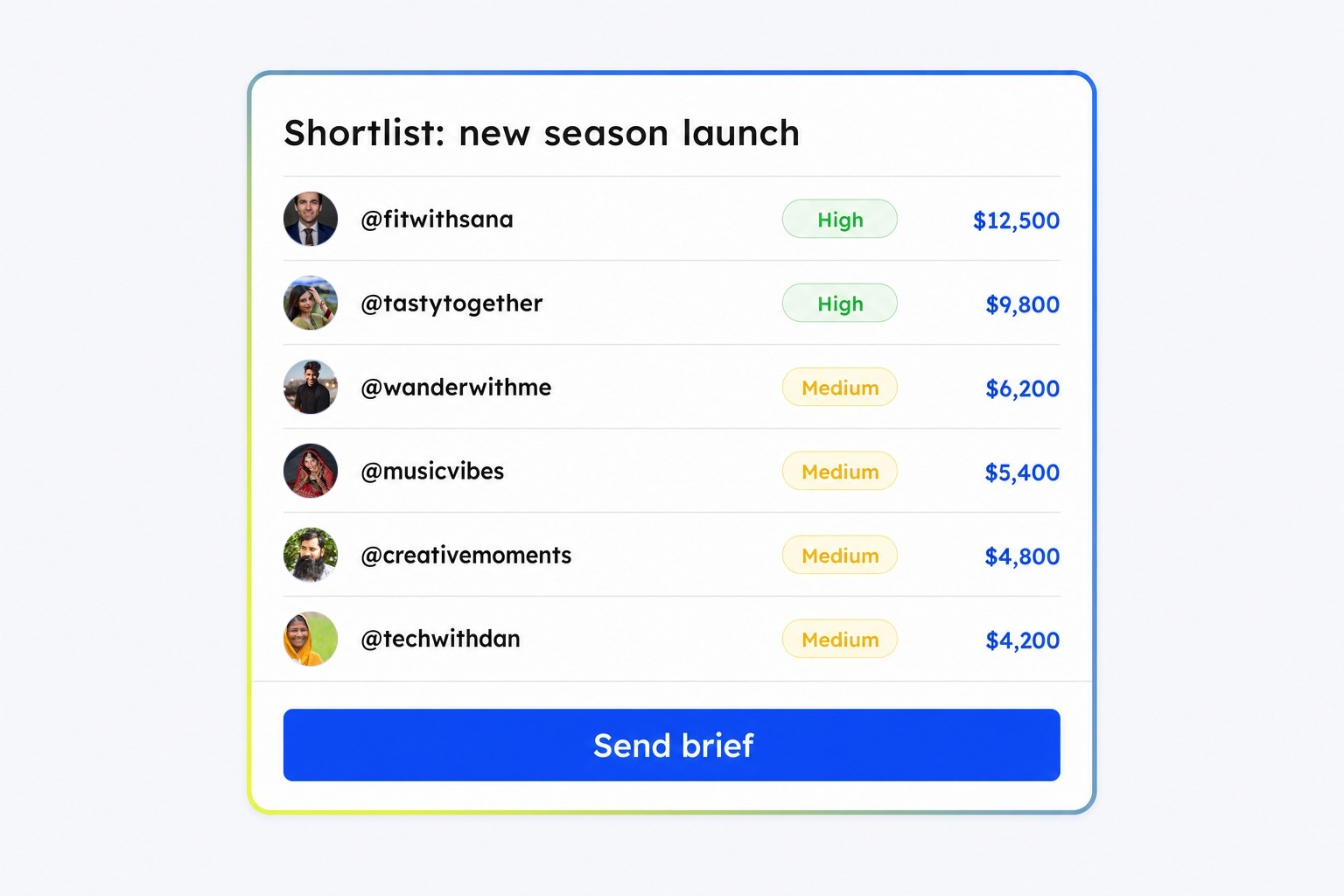
Step 1: define what the campaign needs before you search for anyone
Most searches start with a brief that says “we need influencers for a product launch”, and a shortlist appears the same day. It looks fine. Nobody can explain why those 20 names and not 20 others.
Agree 3 things internally first.
The campaign objective
Awareness or conversions? The answer decides the metrics you judge, the brief you write and the creators you look for. Take a skincare brand launching a serum. For reach it wants macro creators with large followings, even at moderate engagement. For sales it wants micro creators with a purchase-ready audience in the right cities. Same product, same budget, different hiring standard.
The target audience profile
This describes the creator’s audience, not the creator. Write down the age range, gender split, cities or states, and the category habits that matter. A creator based in Mumbai can have most of her followers in markets you do not ship to. Audience location matters more than creator location.
The non-negotiables
Platform, minimum engagement rate, category fit and posting frequency. These decide who qualifies before any other rule applies. Without them the search returns either too many irrelevant names or a shortlist that looks right and is not.
Step 2: shortlist on credibility data, not follower count
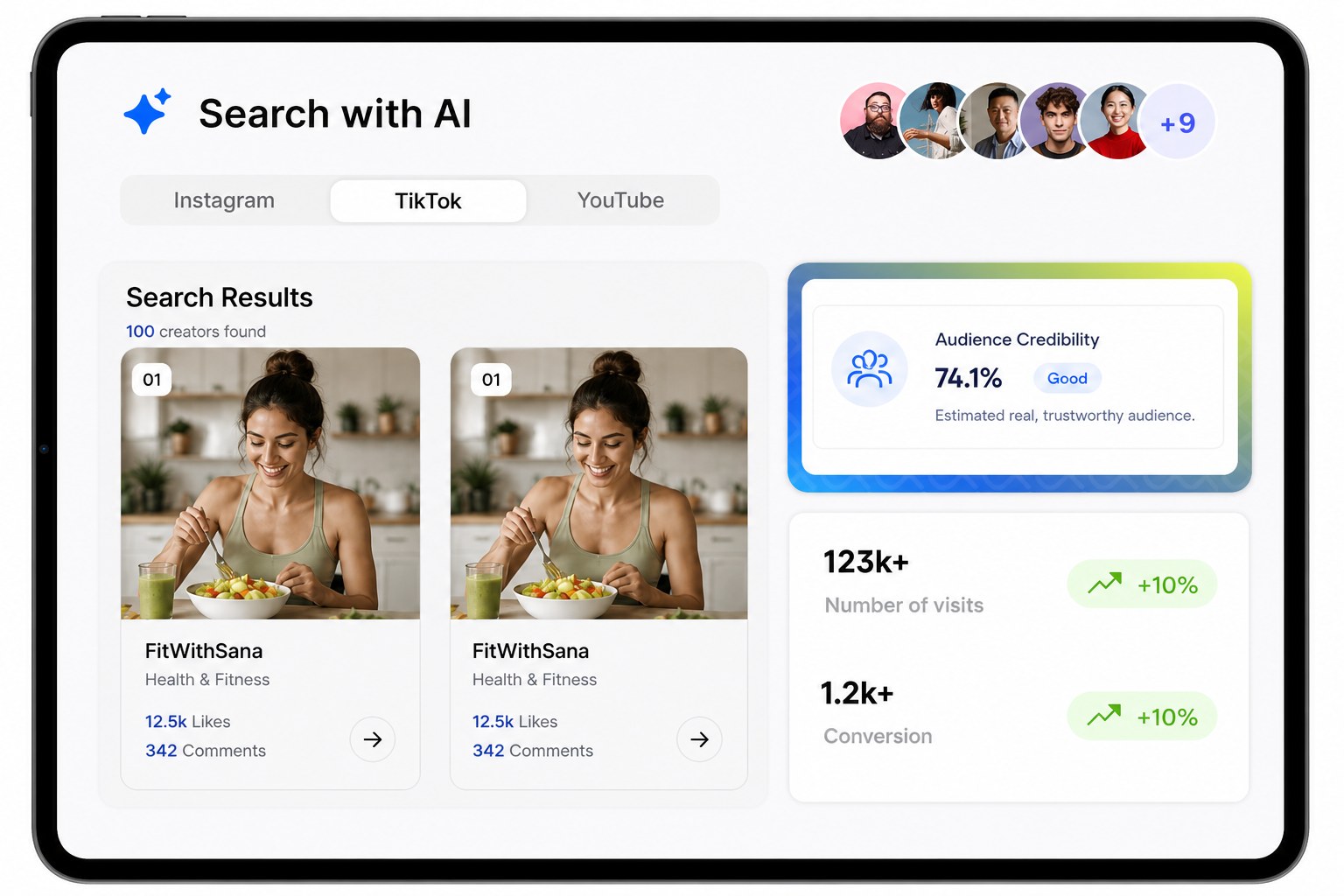
Follower count is the most visible number in creator discovery and the least useful for predicting results. 2 creators with the same following in the same niche can have completely different audiences. One has 74% real, engaged followers in the right cities. The other has 51% real followers and a large share of inactive accounts in the wrong markets. That difference never shows up on a profile visit. It shows up in the campaign report.
Before a creator makes the shortlist, check 5 things: niche consistency across recent posts, real follower percentage, suspicious account rate, audience demographics from actual audience data, and content safety. Each check has a pass mark and a red flag, and all 5 are covered in detail in how to vet influencers before signing.
The efficient way to run them is inside the search itself. Influencer discovery on CultureX searches 400M+ creator profiles with 35+ filters, including audience location, age and gender split, and shows the authenticity score and fake follower percentage on every profile. Vetting 100 creators by hand takes days. With the data attached to the search result, discovery and vetting happen in one pass. ToggleHead vetted 36,462 creators this way and lifted ROI by 40%.
Step 3: reach out at scale without sounding like a mass mail
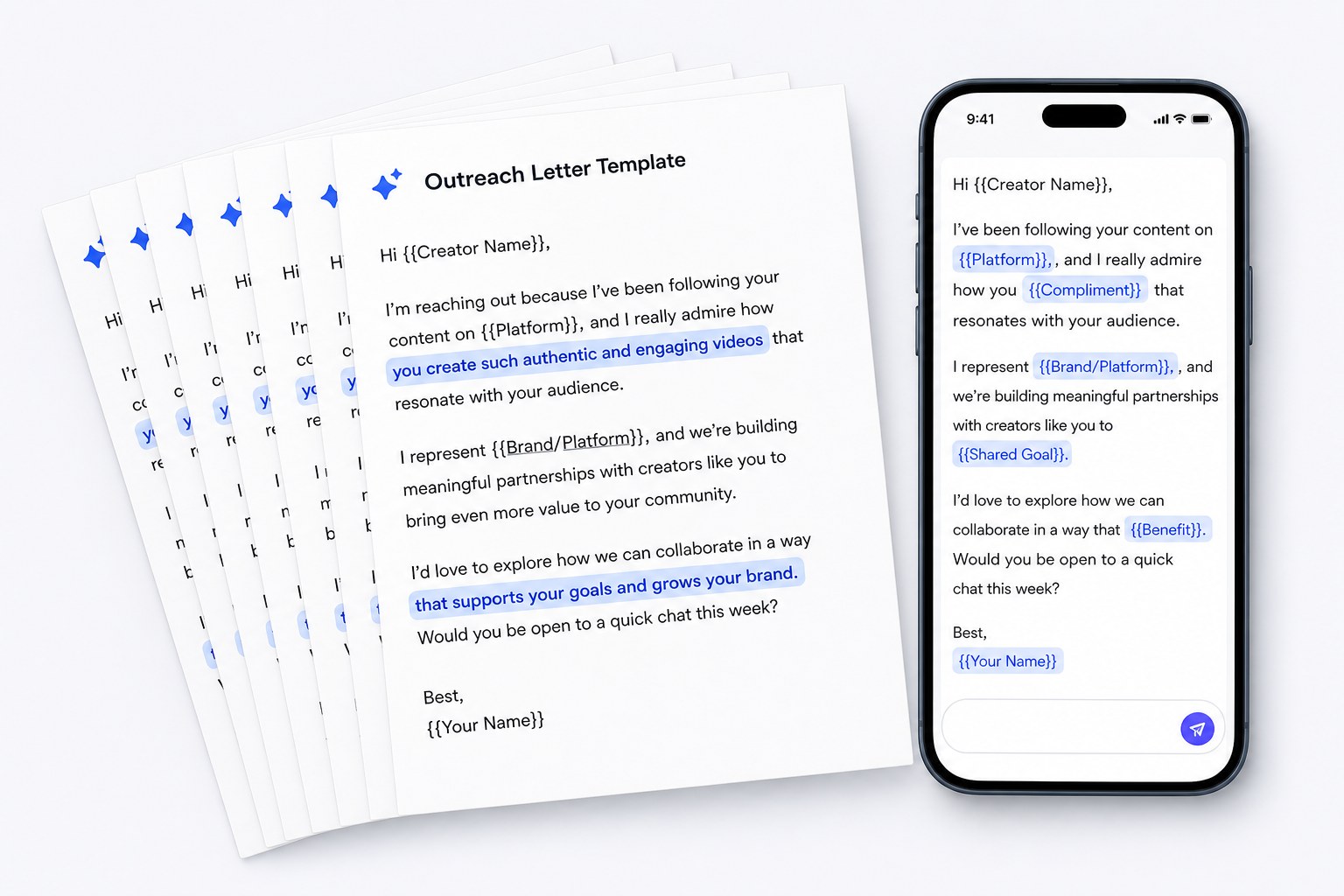
Brands send outreach 2 ways. Fully personalised messages to each creator, which does not scale past 20 names. Or one template pasted to everyone, which reads like spam and gets ignored. The answer is in between.
What the first message should contain
Keep the template and personalise 4 fields: the creator’s name, one recent piece of their content, the platform and the campaign category. The product description and the ask stay the same for everyone. Those 4 fields are what move reply rates.
Leave 2 things out of the first message: the full campaign proposal, and any mention of usage rights, exclusivity or go-live dates. The first message asks one small question. Are you open to a collaboration in this category, and would you like to see the brief?
The follow-up sequence
Few creators reply to the first message. Send a follow-up on day 5 to 7 and a final one on day 12 to 14. That reaches creators who are interested but slow, without making you look desperate.
At 100 or more creators, this needs tooling. The Influencer Suite sends personalised proposals to a large pool of creators in a few clicks and keeps every reply in one place instead of scattered across DMs and email threads.
Step 4: brief properly before any content is made
A good brief produces content that is compliant and natural at the same time. Compliant means the creator followed the instructions. Natural means the product fits their usual voice instead of reading like a script.
What the brief must contain
- One clear direction. Not a feature list. A context line that tells the creator where the product fits in their day, what situation it is for and what feeling the content should leave. Something they can say in their own words.
- The non-negotiables. Where the product must be visible, the tracked link in bio or Stories, the CTA. Everything outside this list is the creator’s territory.
- Usage rights. If you plan to run the content as paid ads, say so now and confirm it in the contract. Do not negotiate rights after the post is live.
- Unique tracking per creator. A discount code or UTM link that belongs to this creator alone. This is what makes Step 6 possible.
Deliver the brief inside the workflow, not on WhatsApp
Most briefs go out over WhatsApp or email. Then there is no version control and no record of what was agreed. Inside CultureX, every campaign moves through fixed stages: onboarding, scripts in approval, scripts approved, videos in approval, approved and live. The brief, the script and the approval sit in the same place, so when a creator says the brief never reached them, the board shows what was sent and where it stands.
Step 5: sign the contract before any work starts
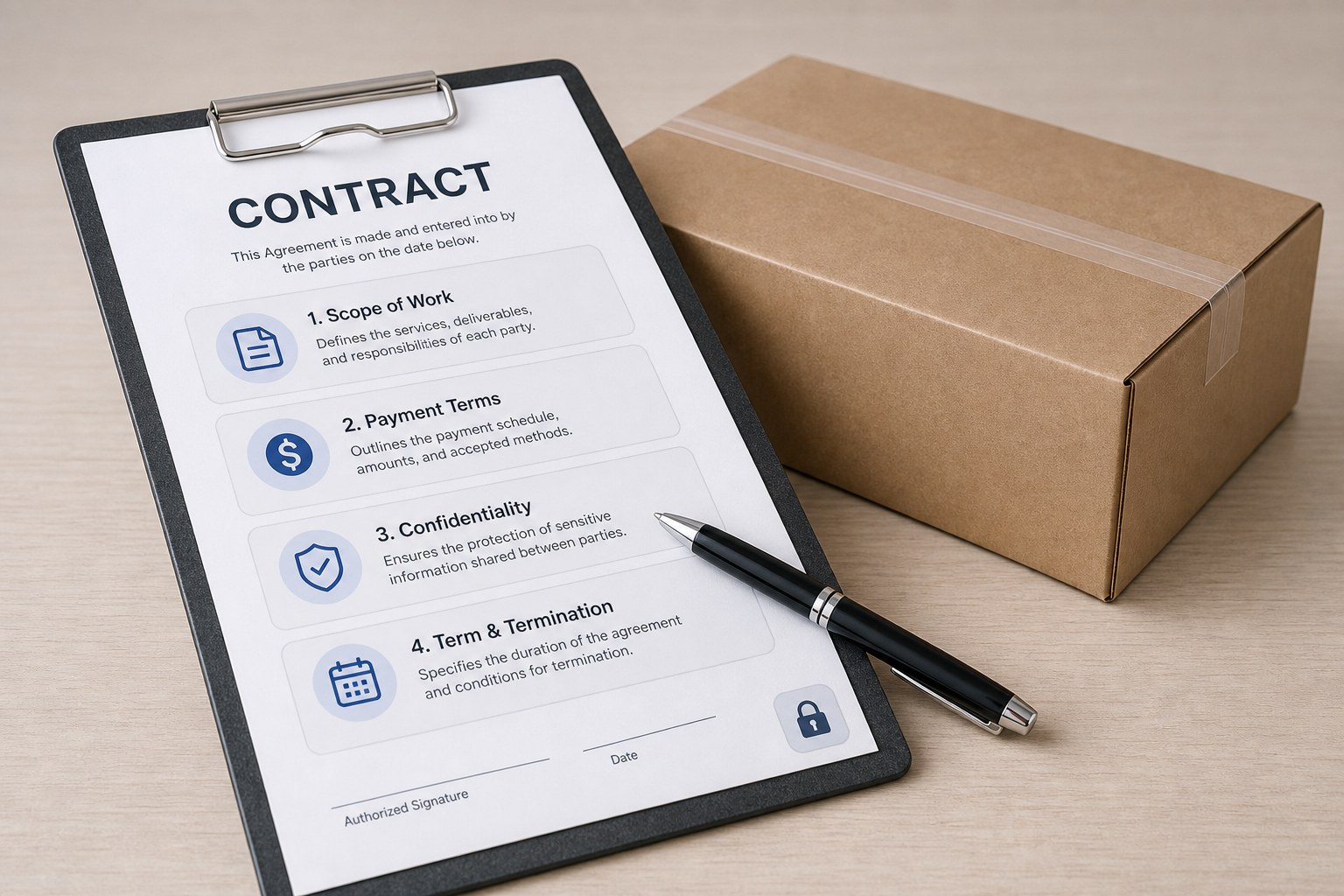
A contract clause cannot change content that is already live. Anything signed after the shoot is paperwork. The contract is a prerequisite, not a formality.
What every influencer contract must cover
- Deliverables and timeline. Number of posts, platforms, formats and go-live dates, agreed before the creator receives product or payment.
- Usage rights. Paid amplification, whitelisting, use in email or on the website, and how long the rights last.
- Disclosure. The exact paid-partnership wording required on every post, written into the contract, not left to the creator’s judgement.
- Revisions. How many rounds are included and what happens if the content still misses the brief.
The most common contract problem is timing. Make signing a gate: no product, no brief access and no first payment until it is done. If the contract lives inside the same campaign workflow as the brief, the gate enforces itself.
Step 6: track performance per creator, not campaign totals
Most reports land 2 weeks after the campaign and show campaign totals. Total reach, total engagement, average engagement rate. That tells you nothing about who to rebook. A campaign total is not actionable. Per-creator data is.
The 4 numbers that matter per creator
- Cost per engagement and cost per view. Individual figures, not a campaign average. This is how you find the creators who quietly outperformed.
- Attributed conversions. Only possible if the unique code or link went into the brief at Step 4. This is the ROI number that settles rebooking decisions.
- Audience authenticity after the campaign. High reach with oddly low interaction deserves a look before the next contract.
- Comment sentiment. Whether the audience reacted positively, neutrally or negatively to each creator’s content. A high-reach post with negative sentiment is a brand risk, not a win.
Keep the window open
Reviews and tutorials keep earning views and orders for weeks after go-live. A report pulled on day 14 misses a real share of the return. Once content goes live, CultureX detects the post and adds it to the campaign dashboard, then keeps tracking engagement without anyone opening profiles or chasing screenshots. Campaign analytics shows ROI, EMV and conversions in real time, and reports share as a link so the client sees the same live data as the team. HealthifyMe tracked 2,000+ content pieces this way, cut analysis time by 75% and lifted campaign ROI by 60%.
The influencer hiring checklist
Run this before every campaign. Each line has a yes or no answer.
- Before searching: objective, audience profile and non-negotiables are written down.
- During shortlisting: niche fit, real follower percentage, suspicious account rate, audience demographics and content safety checked per creator.
- During outreach: one personal detail per creator, one small ask, no proposal in the first message, follow-ups planned for day 5 to 7 and day 12 to 14.
- Before briefing: non-negotiables listed, usage rights stated, unique code or link per creator included.
- Before work starts: contract signed before product, brief access or payment.
- After the campaign: CPE, CPV, attributed conversions and sentiment reviewed per creator, with the window left open for late results.
Why the process matters more than any single hire
Every skipped step weakens the next one. A creator hired without an audience check produces content for the wrong audience. A campaign measured at 2 weeks cannot say whether the hire was worth repeating. Hiring without a process produces campaigns that cannot be evaluated, which means they cannot be improved.
Brands that run the same 6 steps every time get something better than one good campaign. Each campaign teaches the next one who to hire. Agencies feel this first: SyncWync cut campaign turnaround time by 70% once search, outreach and tracking ran in one place. If you are starting from scratch, our beginner’s guide to Instagram influencer marketing in India covers the basics.
See CultureX in action
Run all 6 steps, from a 400M+ creator search to per-creator ROI, in one platform.
Frequently asked questions
How do I hire influencers for my brand?
Define the objective, the target audience profile and the non-negotiables before you open a search. Then run the stages in order: shortlist on credibility data, reach out with one small ask, brief with clear non-negotiables and a tracked link, sign the contract before any work starts, and measure results per creator. Each stage depends on the one before it.
What should I look for when hiring influencers?
Look past follower count. The signals that predict results are real follower percentage, suspicious account rate, audience demographics that match your buyer, and a clean content history. The question is whether the creator’s audience matches your target buyer, not whether the creator’s profile looks relevant.
How much does it cost to hire influencers in India?
Rates vary by tier, platform and category. Nano and micro creators charge less per post and often deliver stronger engagement in a focused city or language audience. Macro and celebrity creators cost more and reach wider. The useful cost numbers are cost per engagement and cost per view per creator after the campaign, not the rate card.
What should an influencer contract include?
Deliverables and go-live dates, usage rights including paid amplification and whitelisting, the exact disclosure wording, and the revision process. It should be signed before the creator receives the brief, the product or the first payment.
How do I know if an influencer hire was worth it?
Measure per creator. Compare cost per engagement, cost per view, attributed conversions from the creator’s unique code or link, and comment sentiment. Keep the report open for weeks after go-live, because reviews and tutorials keep earning after the campaign ends.