
The short version
- A creator economy platform covers the whole creator lifecycle for a brand: discovery, campaign management, performance reporting, competitor intelligence and an owned creator community.
- A discovery tool answers one question. A platform connects 4 capabilities so data moves from search to brief to report to the next campaign without anyone re-entering it.
- Ask 5 questions before you buy. The one most tools fail: does your creator roster stay with you when the subscription ends?
The brief goes out. 20 creators get onboarded. Content starts coming in. Then someone asks which creator drove the most conversions, and how that compares with what competitors are getting from their own creator programs right now.
The discovery tool does not have that. Neither does the spreadsheet everyone has been using to track approvals. What the brand has is a tool that is good at finding creators and not much else.
That gap between a creator discovery tool and a creator economy platform is one most brand teams hit sooner or later. A discovery tool answers one question well. A creator economy platform covers the lifecycle from the first search to post-campaign intelligence, including the competitive read and the owned community that point solutions never touch.
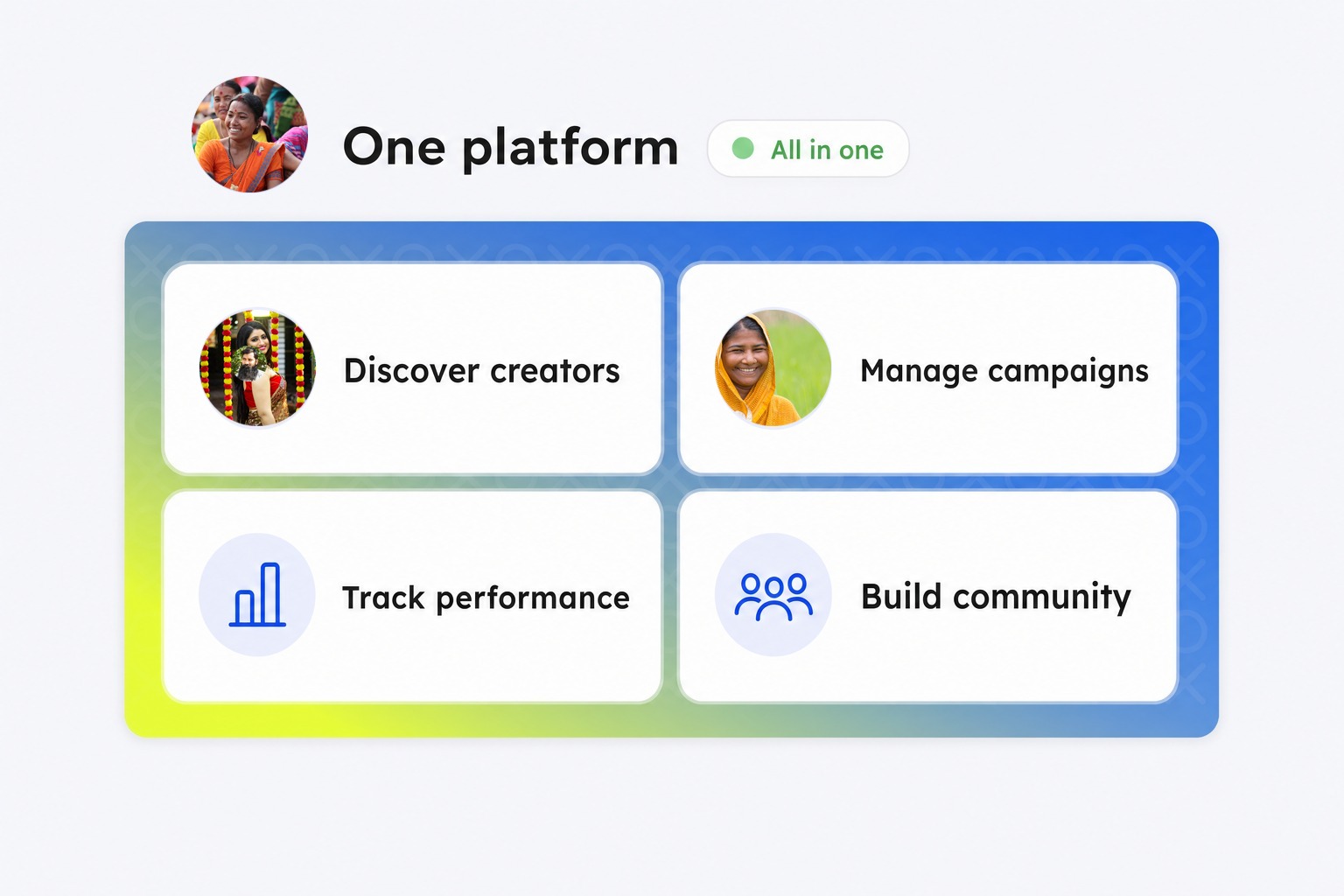
What a creator economy platform is, from the brand’s side
The creator economy is usually described from the creator’s side: how creators build an audience, monetise content and turn a following into a business.
From a brand’s side, it is the environment in which you find creators, brief them, manage the relationship, measure results and keep that relationship going past a single campaign. A creator economy platform is the software that makes all of that systematic, instead of something 3 people track across email, WhatsApp and a shared sheet.
It helps to separate what this is from what it is not. It is not a marketplace where creators list themselves and brands browse. A marketplace gives you access to creators on the marketplace’s terms. A platform gives you the tools to manage your own creator relationships, build your own community and keep your campaign data in one place.
The 4 capabilities a creator economy platform has to cover
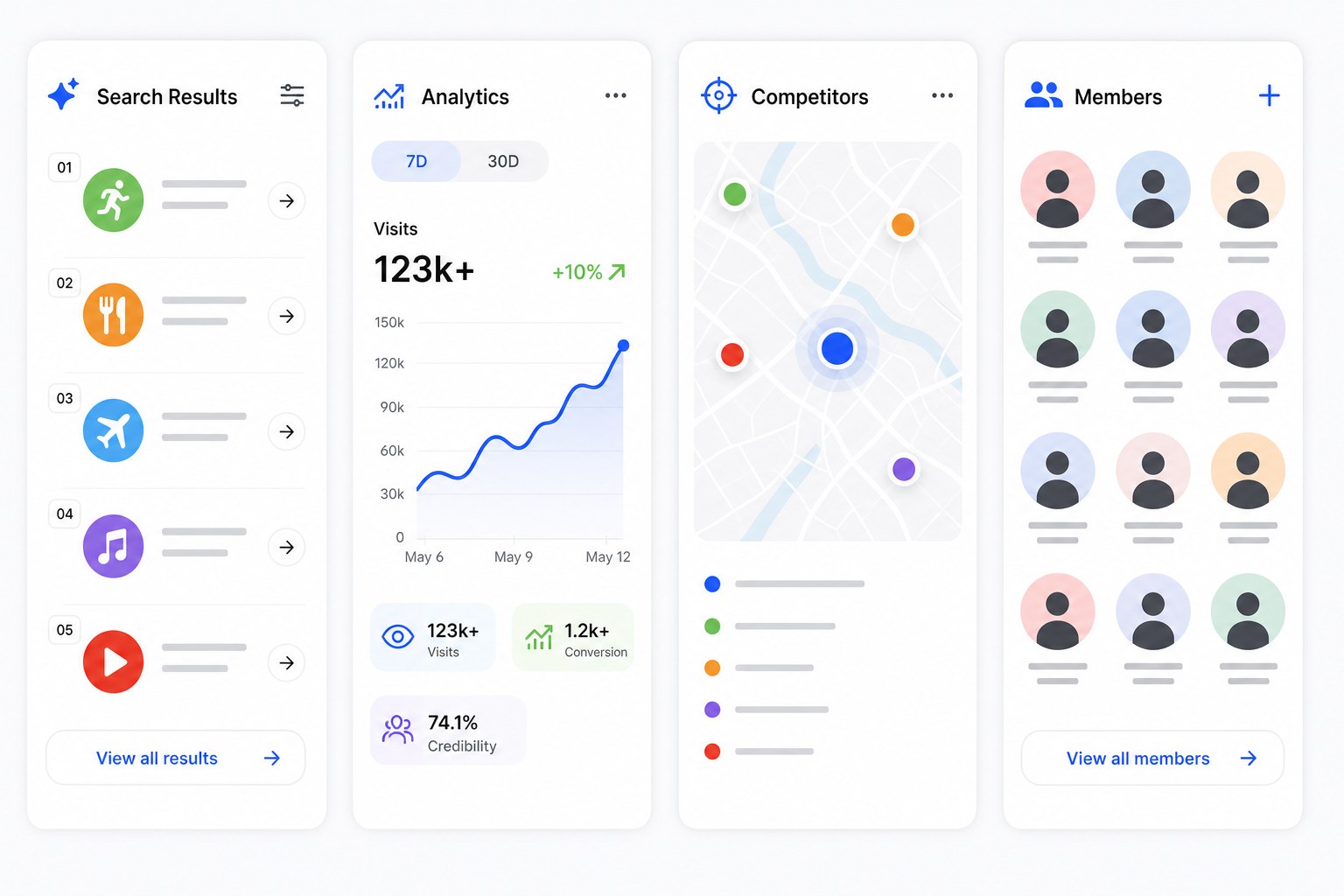
Four capabilities separate a true platform from a tool that handles one part of the workflow. On CultureX they map to the 4 suites.
1. Creator discovery and campaign management
This is the capability every platform promises and not all deliver. Discovery alone is not enough if the rest of the campaign still runs through email, WhatsApp and spreadsheets.
A complete setup lets you search with a plain-language brief as well as filters, and shows audience quality signals in the results: authenticity score, fake follower percentage, audience location and Social Score. You should be able to check content safety before a creator reaches the shortlist. The vetting checklist covers what to look for.
Campaign management matters as much. Briefs, script and video approvals, media planning and outreach at scale should all live in the same place. The Influencer Suite combines search across 400M+ creator profiles and 35+ filters with a campaign board that shows where every creator sits, from onboarding through script approval to live. Once content goes live it is detected and added to the campaign dashboard automatically, so nobody chases links.
2. Performance analytics and white-label reporting
You need to know which creator drove results, how audiences reacted, and whether performance held past the first 2 weeks. That means CPE, CPV, EMV and engagement rate per creator, with sentiment scored post by post rather than as one blended number.
Without it, someone screenshots posts, copies numbers into a sheet and tries to reconcile platforms that report differently, usually the night before a client call. The Tracking Suite keeps that reporting live, with goal setting and deep analysis per account.
White labelling matters for agencies. A report carrying your agency’s branding rather than a vendor’s logo keeps you looking like the one doing the work. CultureX runs under the agency’s brand for agency accounts; the trade-offs are covered in white-label vs enterprise platforms.
3. Competitive creator intelligence
This is the gap teams hit when planning the next campaign. They do not know which creators competitors are working with, which formats are performing in the category, or where the brand stands.
A platform should make that a routine check, not a research project. The Listening Suite covers it with an influencer map of competitor partnerships, a comments radar for sentiment on competitor content, and a competitor analysis view for benchmarking engagement rate, Social Score and share of voice across the brands you choose. The step-by-step method is in the competitor analysis guide.
4. Owned creator community building
Most platforms still miss this one. A creator economy platform should not only help you find creators for one campaign. It should help you build your own creator community over time: a branded roster of creators who chose to join, whose details stay with you, and whose campaign history is saved for next time.
The Community Suite does this with custom registration forms you share through a bio link, a live member dashboard you can filter, and AI comment classification that sorts engagement into product feedback, service concerns and purchase intent. When the next campaign starts, the team already has a working shortlist.
Platform vs point solution: what changes
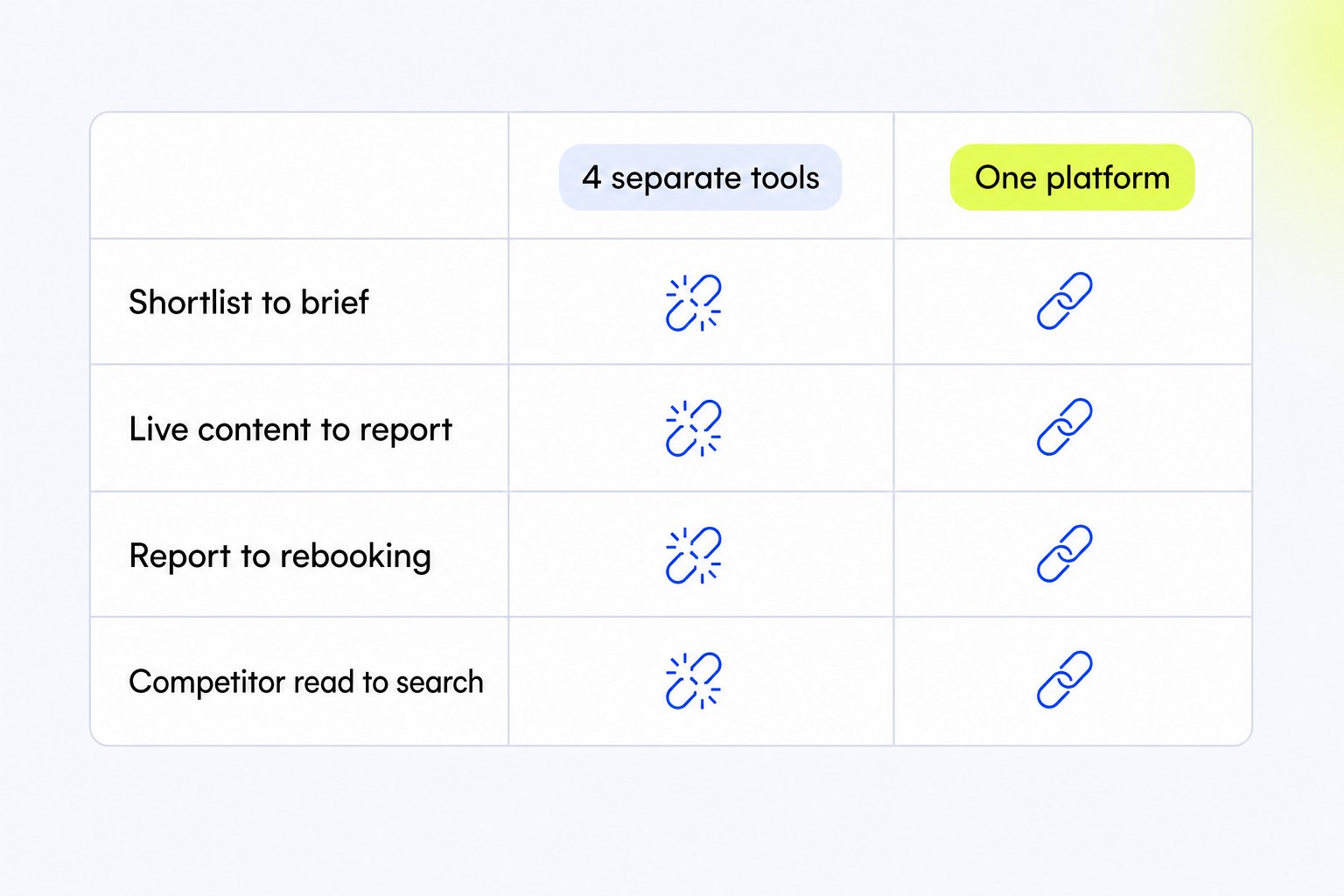
A point solution handles 1 or 2 parts of the workflow. A platform connects all 4, so nobody moves data between tools by hand. The connections are the value.
| Job | With 4 separate tools | With one platform |
|---|---|---|
| Shortlist to brief | Export a CSV, re-enter creators in the campaign tracker | Shortlisted creators move straight into the campaign board |
| Live content to report | Creators send links, someone screenshots stats weekly | Posts are detected and tracked automatically |
| Report to rebooking | Last campaign’s numbers sit in an old deck | Performance history stays attached to each creator in the community |
| Competitor read to discovery | A separate research exercise, if it happens | Creators spotted on the influencer map feed the next search |
The time saving is measurable. SyncWync cut campaign turnaround time 70% and saved 600+ hours after moving search, tracking and reporting onto one platform; the SyncWync case study has the numbers. Illuminati manages 4,500+ creators on CultureX and cut execution time 70% without growing the team.
5 questions to ask before you buy
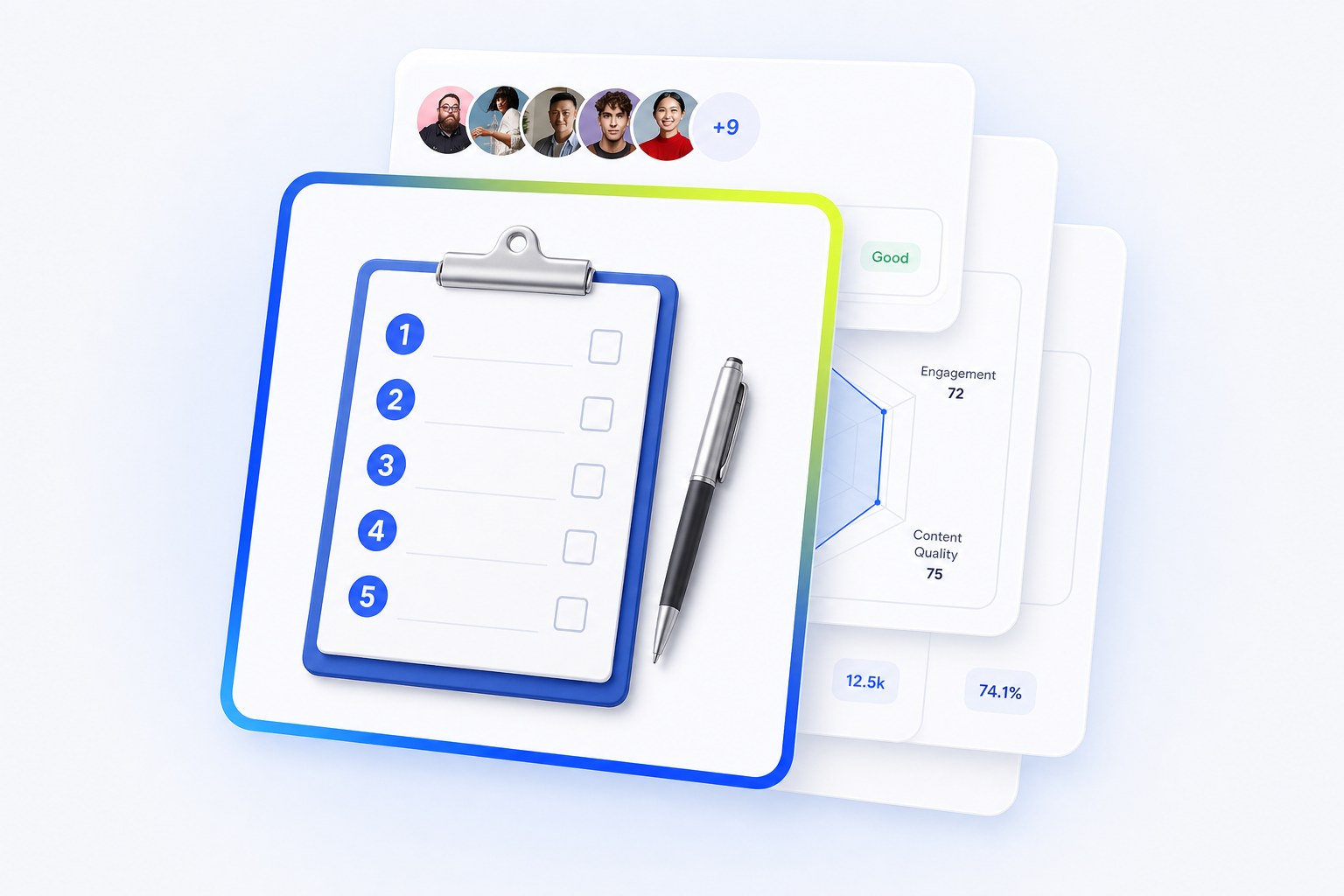
Use these to size up whether a platform covers the full workflow or only the part the demo showed.
- Discovery: does it show audience credibility data at the search stage, or is that locked behind a separate paid report?
- Campaign management: do brief delivery, approvals and go-live tracking happen inside the platform?
- Performance analytics: does the dashboard update in real time, with per-creator breakdowns and sentiment?
- Competitive intelligence: can it show which creators competitors are working with now?
- Owned community: can you build and keep your own creator roster, and does it leave with you?
Why an owned creator community matters more every year
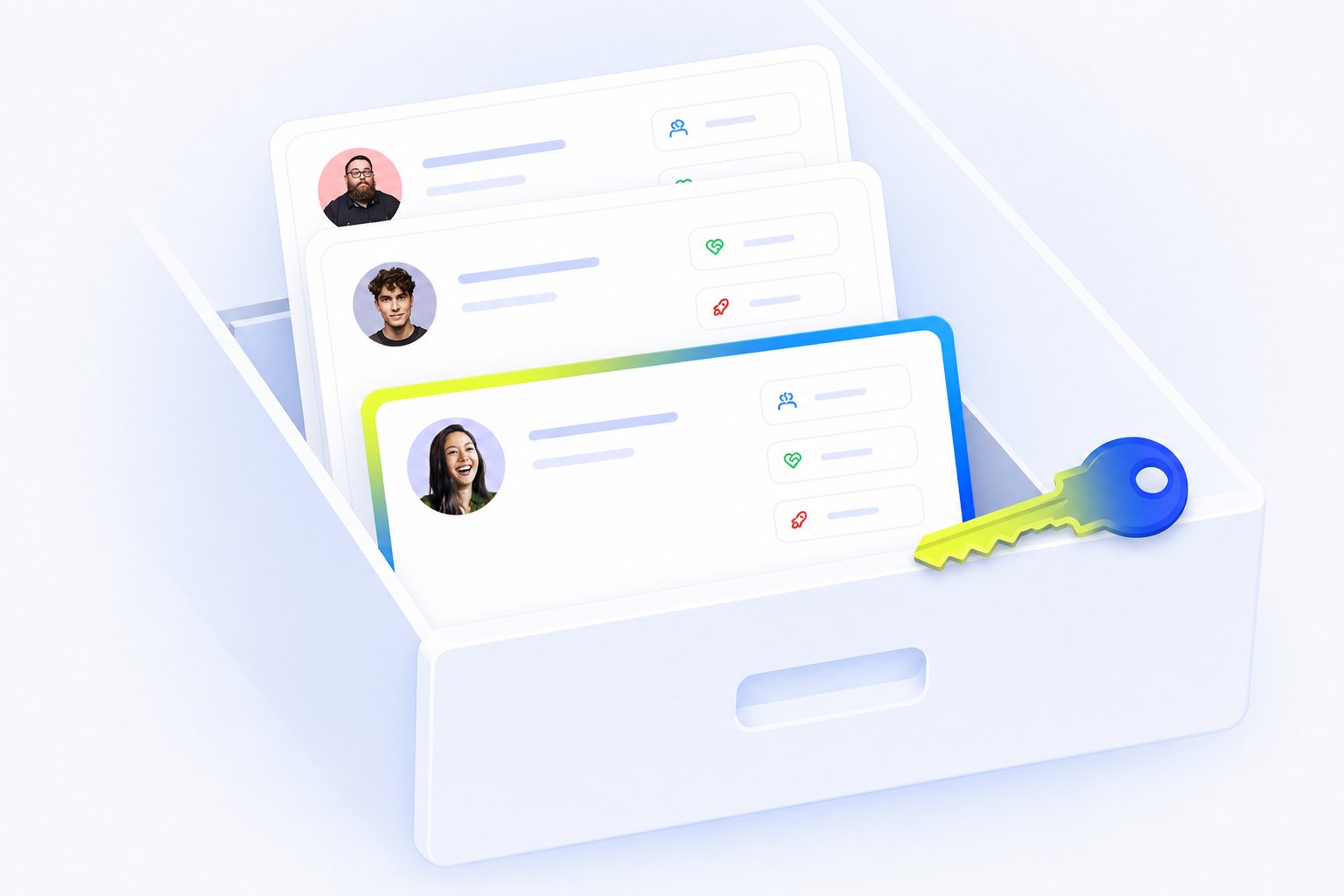
Most creator databases are rented. You pay for access to the platform’s pool for as long as the subscription runs, and the day it ends, so does the access. Every relationship built, every performance record, every shortlist refined over a dozen campaigns stays behind.
A platform with its own community tools works differently. Creators opt in through your form, and their data, campaign history and performance records stay with your brand. Every campaign adds context: how a creator performed, how credible their audience was, what they delivered last Diwali. Discovery gets a program started. An owned community is what makes it stronger each year.
You can see how the 4 suites fit together on the pricing page; the Starter plan is free, and a demo walks through the full workflow on your own category.
See CultureX in action
See discovery, campaign management, reporting, competitor intelligence and community in one connected workflow.
Frequently asked questions
What is a creator economy platform?
It is the software a brand uses to discover creators, manage campaigns, measure performance, track competitors and build an owned creator community, connected in one system instead of spread across 4 tools.
What is the difference between a creator economy platform and an influencer marketplace?
A marketplace gives you access to a creator pool you do not own, and that access ends with the subscription. A platform gives you tools to build your own relationships, community and program data.
What features should a creator economy platform have for brands?
Four things: creator discovery with credibility checks, campaign management from brief to approval, per-creator reporting with sentiment, and tools for building an owned creator network. Competitor intelligence is the fifth most teams forget to ask about.
How does a creator economy platform help with competitive intelligence?
It shows which creators competitors are working with, which content formats are gaining traction in the category, and how your engagement rate and Social Score compare with theirs.
What does owned creator community building mean?
Building a private group of creators who have opted in to work with your brand, with their campaign history and performance data kept in one place that does not disappear after a single campaign.