
The short version
- Most coverage of AI in retail is about warehouses and pricing. This post is about the marketing team.
- AI now reads customer sentiment, sorts thousands of comments, spots category content trends and benchmarks you against competitors while a campaign is still live.
- Snapdeal used this to lift campaign efficiency 60% and cut setup time 40%.
Most stories about AI in the retail industry are stories about the warehouse. Faster demand forecasting, smarter shelf stocking, pricing that shifts before a competitor notices demand moving. All of that is real. None of it is what a retail marketing team needs from an AI conversation right now.
The change showing up in marketing meetings this quarter has nothing to do with stock levels. It is about how fast a retail brand can find out what customers think of something it launched, and what to do about it before the moment has passed.
What “AI in retail” usually means, and what this post covers
Most articles about AI in retail focus on stock management, dynamic pricing and technology that tracks shoppers in stores. Those are real parts of retail, and AI is making a difference there.
This post is about a different team. It covers how AI helps retail marketers track customer sentiment, measure engagement, see which content performs, and judge how the brand compares with competitors on social and creator channels. Instead of waiting for a monthly or quarterly report, the team sees what is happening while a campaign is running and can respond the same day. If you sell through creators, the retail influencer marketing platform page covers that side in detail.
How retail brands can track customer sentiment
When a new product launches, people start sharing opinions on Instagram and YouTube within hours. Earlier, someone on the social team would read comments by hand to get a feel for the reaction. That worked at a few hundred comments.
Once the conversation runs into thousands of comments, in Hindi, Hinglish and English mixed together, nobody can keep up. By the time someone notices that people keep complaining about the same feature or the same marketing claim, the issue has spread. Often it only shows up weeks later in a customer survey.
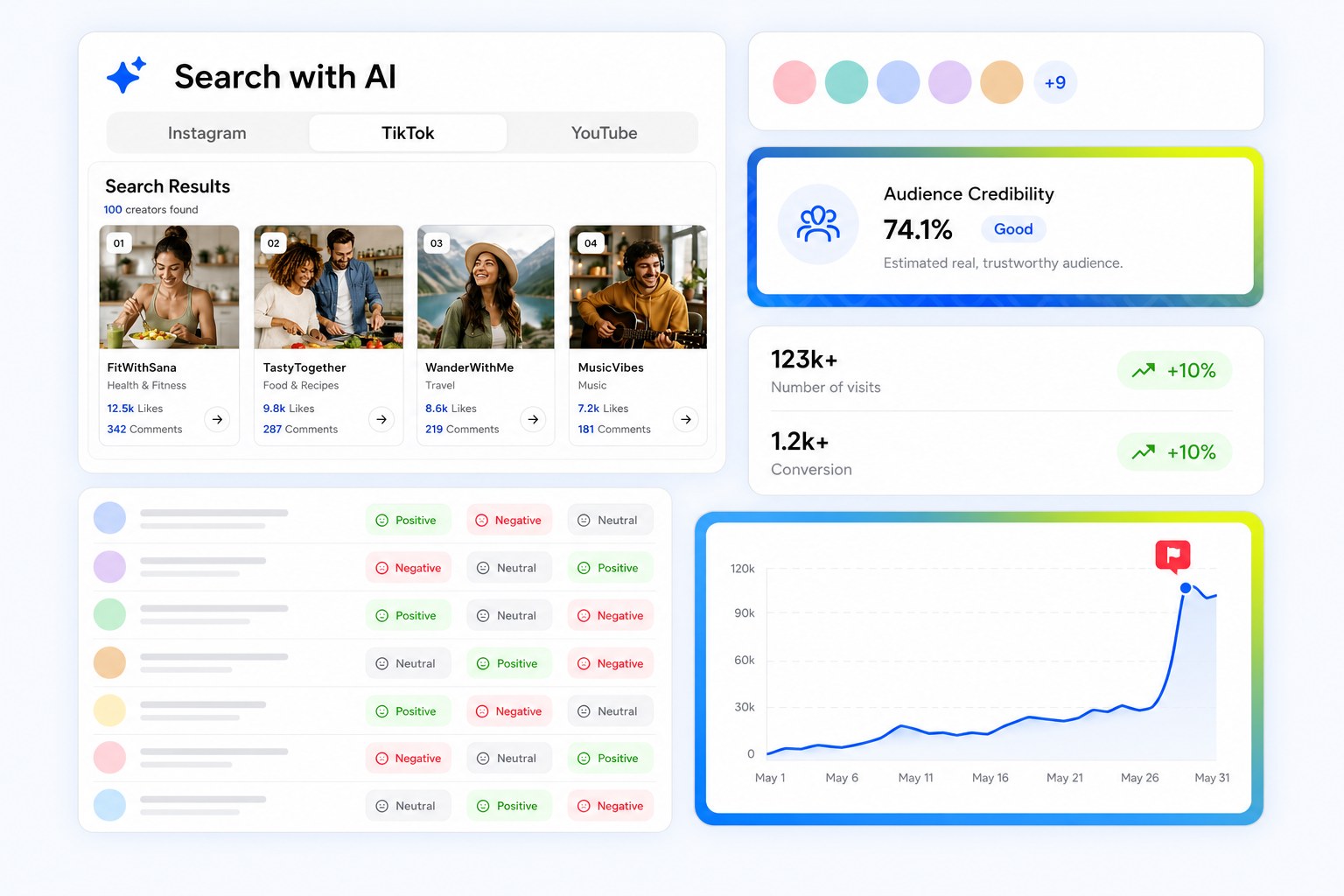
AI changes the speed. A sentiment engine reads every post and comment and labels it positive, negative or neutral, showing the tone, where the conversation started and what caused it. Comment classification then groups replies into categories such as product feedback, service concerns, purchase intent and brand mentions. A rise in negative feedback on one issue shows up as it happens, not at the next review meeting. The listening suite handles this across languages, which matters for any brand selling outside the metros.
Supertails, a pet care retailer, put live monitoring on its own channels and lifted brand engagement 60%. The change was not a new campaign. It was seeing the reaction while there was still time to act on it.
Track what’s working across your category
Most retail marketing teams already have a rough idea of what works in their category. Someone notices a competitor trying a new content format, someone else spots a campaign getting attention, and eventually it comes up in a team meeting. That is how most brands have tracked trends for years.
The problem starts when there are dozens of competitors to watch. Nobody has time to check every brand every week, and small shifts are easy to miss. The biggest changes rarely happen overnight. They build slowly across several brands, which makes them harder to see.
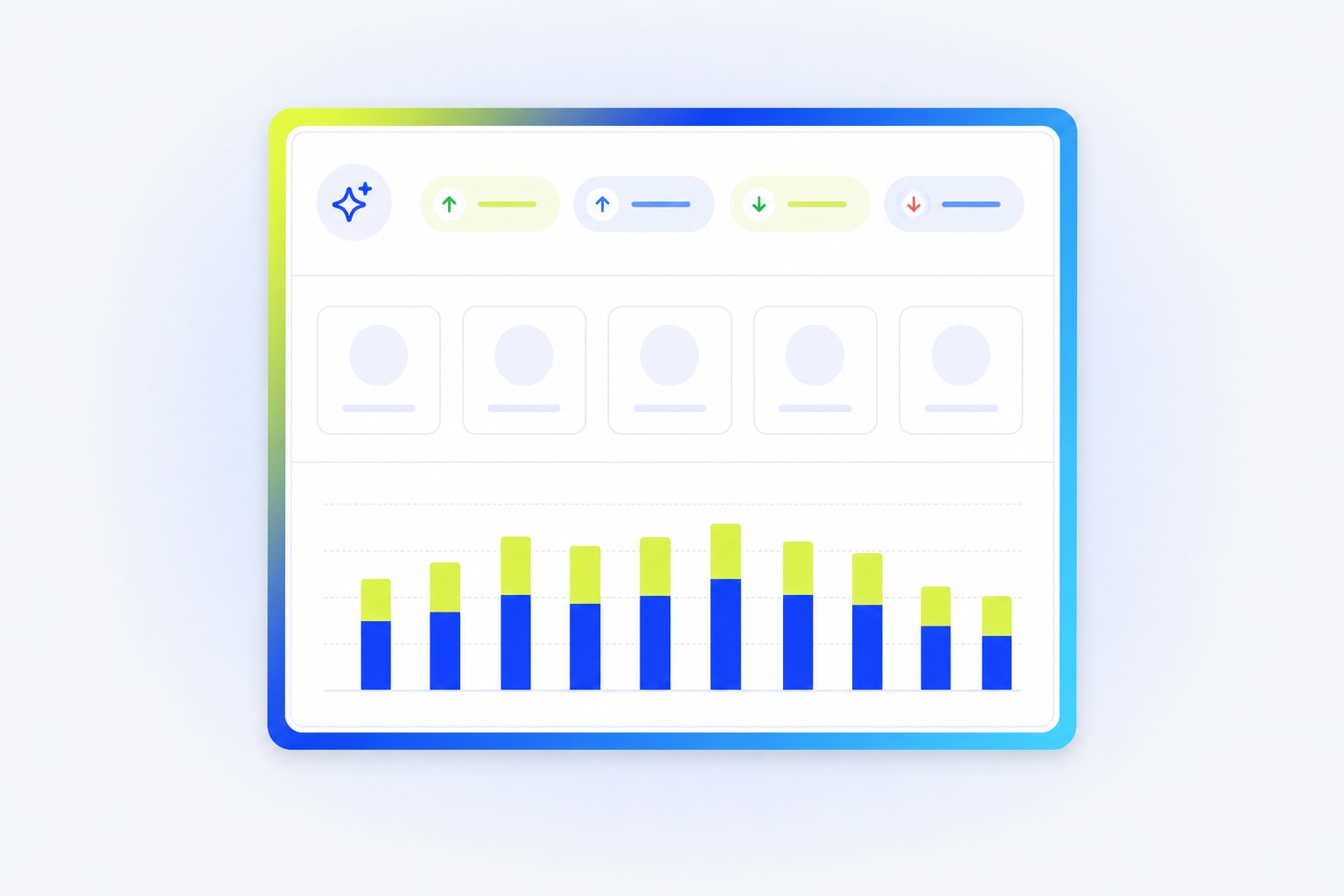
AI content labels sort both your posts and competitor posts into themes such as product promotions, tutorials, lifestyle and community content. Instead of guessing which format is gaining ground, your team checks the data whenever it needs to. The competitor analysis guide shows how to set up that tracking against a defined set of rivals.
That is the real difference. Instead of reacting to something that worked months ago, you can spot a trend while it is still building and act before everyone else does.
Selling at the right moment, not the generic one
Most “best time to post” advice is based on a platform-wide average that has nothing to do with your actual audience. A skincare brand and a mobile accessories brand do not have the same customers online at the same time, yet many retail teams still work off the same generic posting calendar.
A performance heatmap in the tracking suite shows exactly when your own audience engages, built from your own posting history rather than an industry rule of thumb. Retail runs on timing: launches, sale windows, festive pushes, payday weekends. A heatmap built on your own patterns replaces guesswork with something close to a known quantity. The when to post on Instagram post explains how to read one.
Asking your own data a direct question
Getting an answer to a specific question, say which content format drove the most positive sentiment this month, used to mean someone pulling numbers into a spreadsheet and building a report by hand. Most retail marketing teams do not have an analyst free for this, so the question either does not get asked or the answer arrives too late to matter.
Deep analysis takes a plain-language question like that and answers it from your own posting history. No report building, no waiting for whoever has the spreadsheet skills to be free. For a retail marketing team that is stretched thin, this is probably the clearest example of AI changing decision speed.
Knowing where you stand against competitors
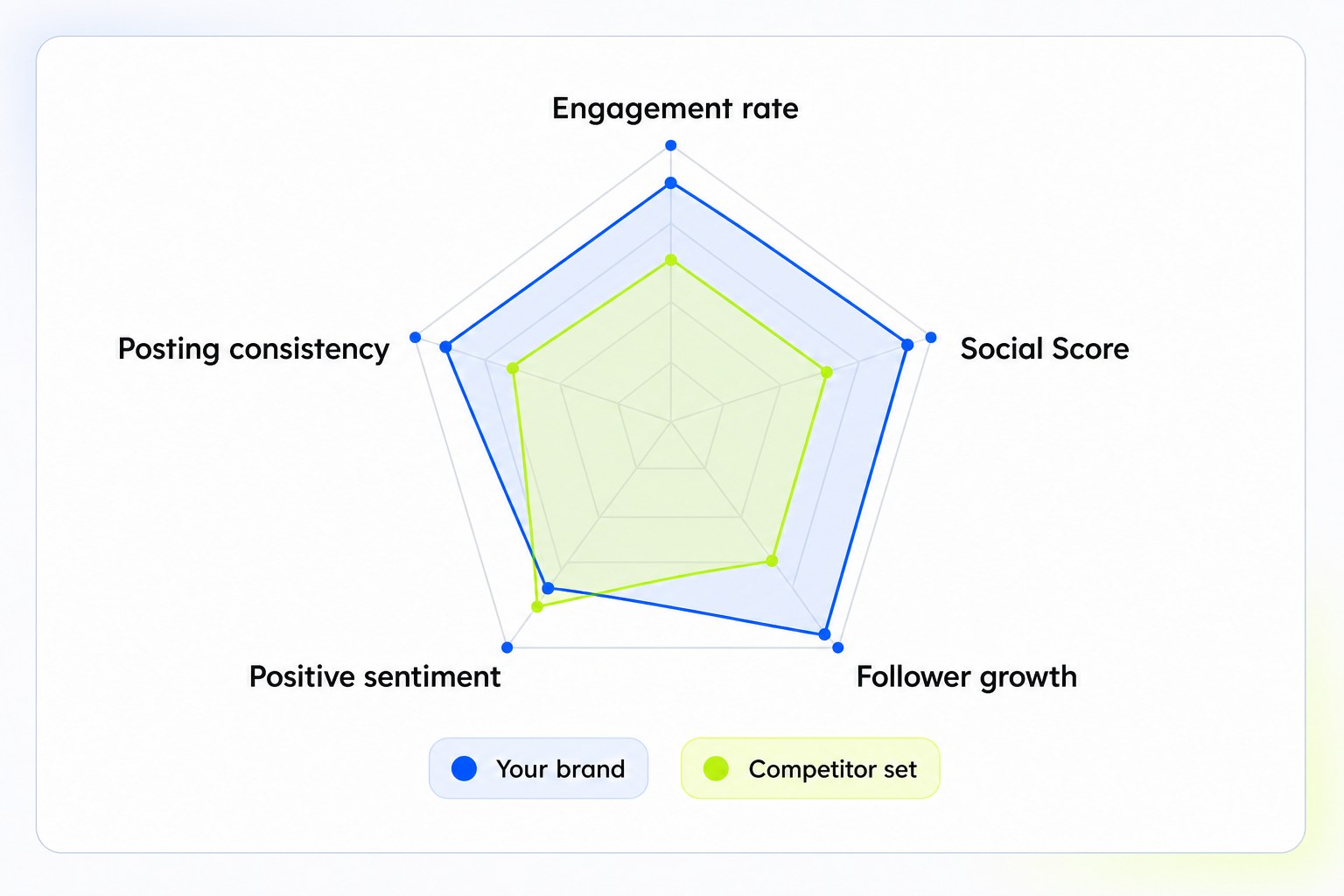
A retail brand can know its own campaign did well and still have no idea whether it gained or lost ground against the 2 or 3 competitors selling to the same shoppers. Absolute performance and relative position are different questions, and most retail reporting only answers the first.
Social Score gives a fuller credibility read than raw engagement rate, because engagement can be inflated by bot activity or by a single viral post that says nothing about what is durable. Competitor analysis puts your numbers directly beside your competitors’: followers, engagement rate, Social Score and audience demographics. These figures shift from category to category, so what matters is your comparison against your own competitive set, not a generic industry number.
Snapdeal ran its creator campaigns this way, with tracking and benchmarking in one place, and improved campaign efficiency 60%, cut setup time 40% and saw a 2.5x improvement in engagement. In a category where several brands sell near-identical products to the same shoppers, relative position matters as much as whether last month’s numbers were good.
What this actually changes for Indian retail marketing teams
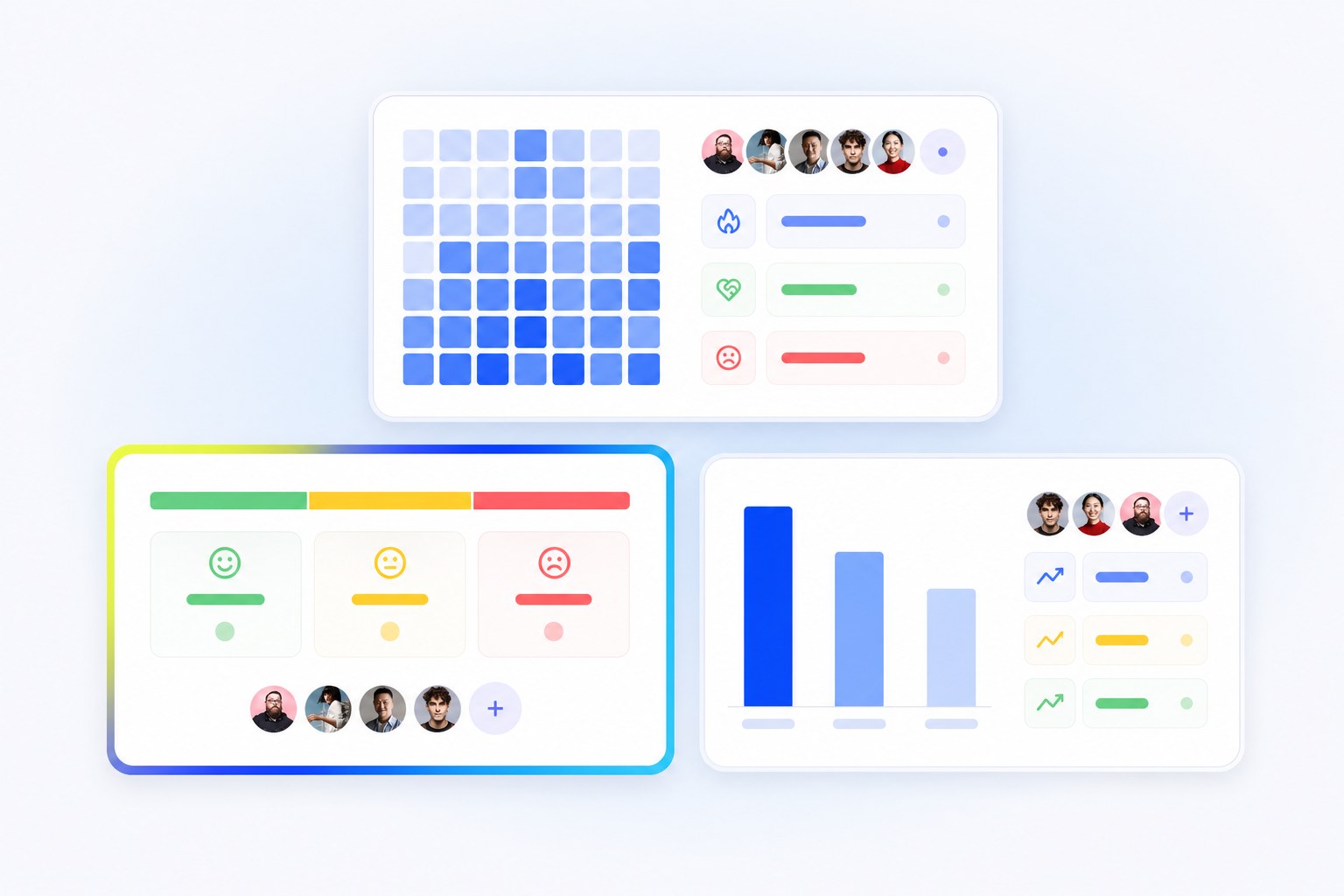
Most conversations about AI in retail stay on operations: stock, pricing, checkout. That is only part of the picture.
For marketing teams, the advantage is useful answers without waiting for reports. You know what customers are saying, which content trends are building, what competitors are doing, and what is working while there is still time to act. For a Tier 2 retailer with 3 people on marketing, that is the difference between running the calendar and running the category. The India influencer marketing report shows how retail and FMCG spend is shifting toward regional creators alongside this.
See CultureX in action
Bring customer sentiment, content trends and competitor benchmarks into your retail marketing team’s daily workflow.
Frequently asked questions
What does AI in retail mean for marketing teams rather than operations?
For marketing teams, AI is less about managing stock and more about understanding customers. It shows what people are saying, how content is performing and how the brand compares with competitors, without waiting weeks for a report. That is a different job from the inventory and pricing tools usually associated with AI in retail.
How is AI changing customer sentiment tracking for retail brands?
Someone used to read comments and reviews by hand to understand what customers thought. AI analyses those conversations automatically, across languages, and flags a change in opinion as it starts, so the team can respond the same day rather than weeks later.
Can AI tell a retail brand what content is working in its category right now?
Yes. It scans your own posts and your competitors’ posts, groups similar content into themes and shows which formats or topics are gaining ground. Instead of someone checking every competitor by hand, you get a clear read close to real time.
Does CultureX help with retail inventory or pricing, or only marketing?
CultureX is built for influencer and social marketing. It does not handle inventory, pricing or in-store operations. It helps retail brands see what people are saying online, how content and creators are performing, and how they compare with competitors.
What is the fastest way for a retail brand to start using AI-driven social analytics?
Start by tracking your existing social content. Focus on audience sentiment and content performance first, before changing your whole reporting process. Once you trust those numbers, add competitor benchmarking so you can read your results in context.