
The short version
- A social media analytics platform measures and explains how your own channels perform over time. It does not schedule posts and it does not monitor the wider internet.
- Day to day it does 3 jobs: a 10-minute Monday check across every account, a midweek diagnosis of what worked and why, and a month-end report that builds itself.
- You need one when your team cannot explain why engagement moved, or when the answer lives in 4 apps and 1 spreadsheet.
Monday, 9:15 am. The brand manager at an ethnic-wear label in Jaipur has 4 tabs open: Instagram Insights, YouTube Studio, a Facebook page report and a Google Sheet where an intern pastes numbers every Friday. The founder walks past and asks how last week’s Reels did. The honest answer takes 20 minutes to assemble.
That 20 minutes is what a social media analytics platform removes. This post is written for the person buying one: what the category actually does in a normal week, where it stops, how Indian brands use it, and how to tell whether you need one at all. If you want the theory behind the numbers, our guide to the 4 types of social media analytics covers that. This one is about the workday.
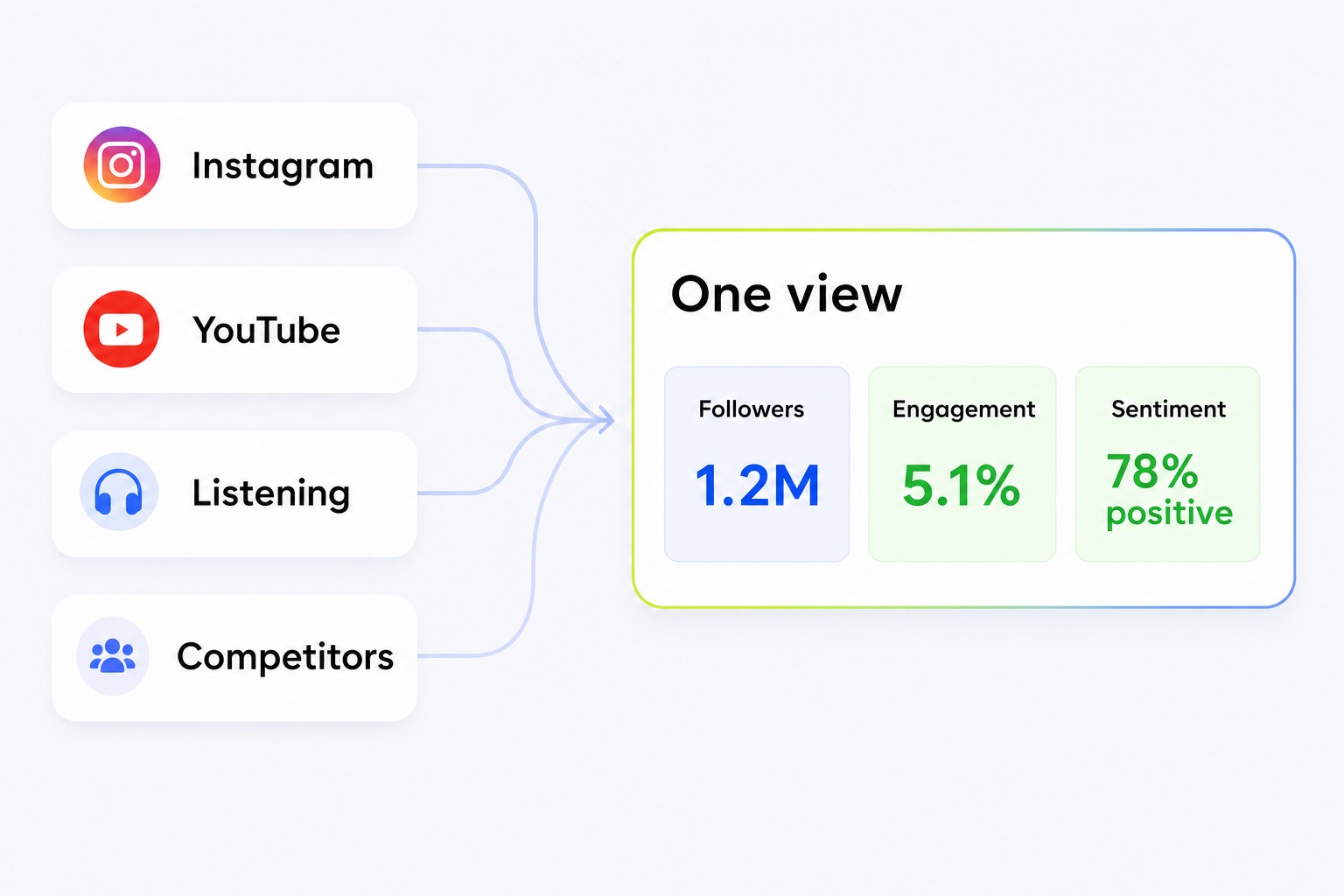
What a social media analytics platform is
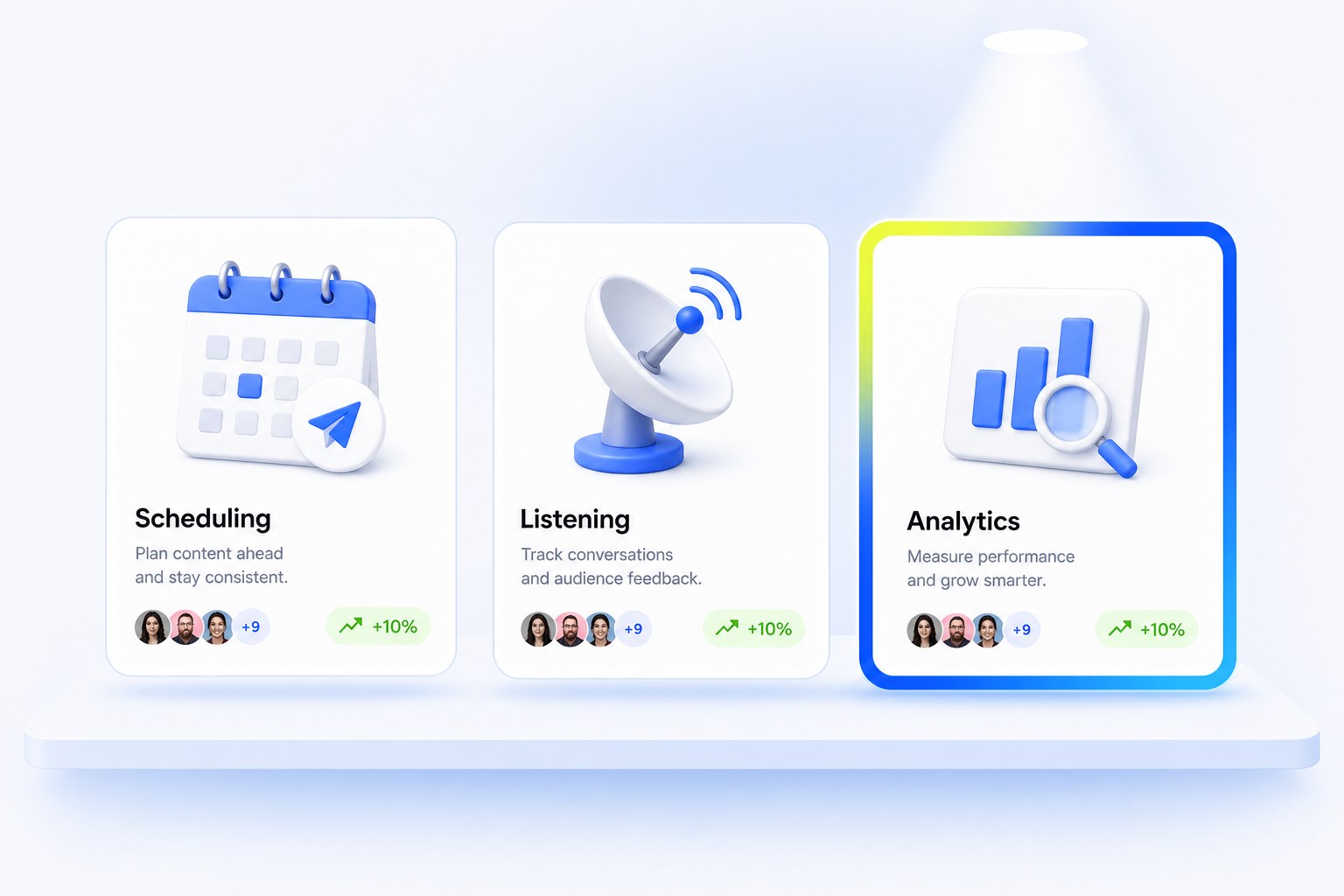
A social media analytics platform connects to the accounts you own and answers 1 question over time: how is the brand actually performing on social? It tracks growth, reach, engagement and content performance across weeks and months, so patterns show up that are invisible post by post.
It is a different tool from 2 things it often gets bundled with. A scheduling tool plans and publishes posts and shows basic numbers as a side effect. A social listening tool watches conversations about your brand, competitors and category across the internet, whether you posted or not. An analytics platform looks inward at your own channels and explains what is working, what is slowing down, and what changed. On CultureX that is the Tracking Suite. Listening and competitor benchmarking live in the separate Listening Suite.
What a platform actually does in a normal week
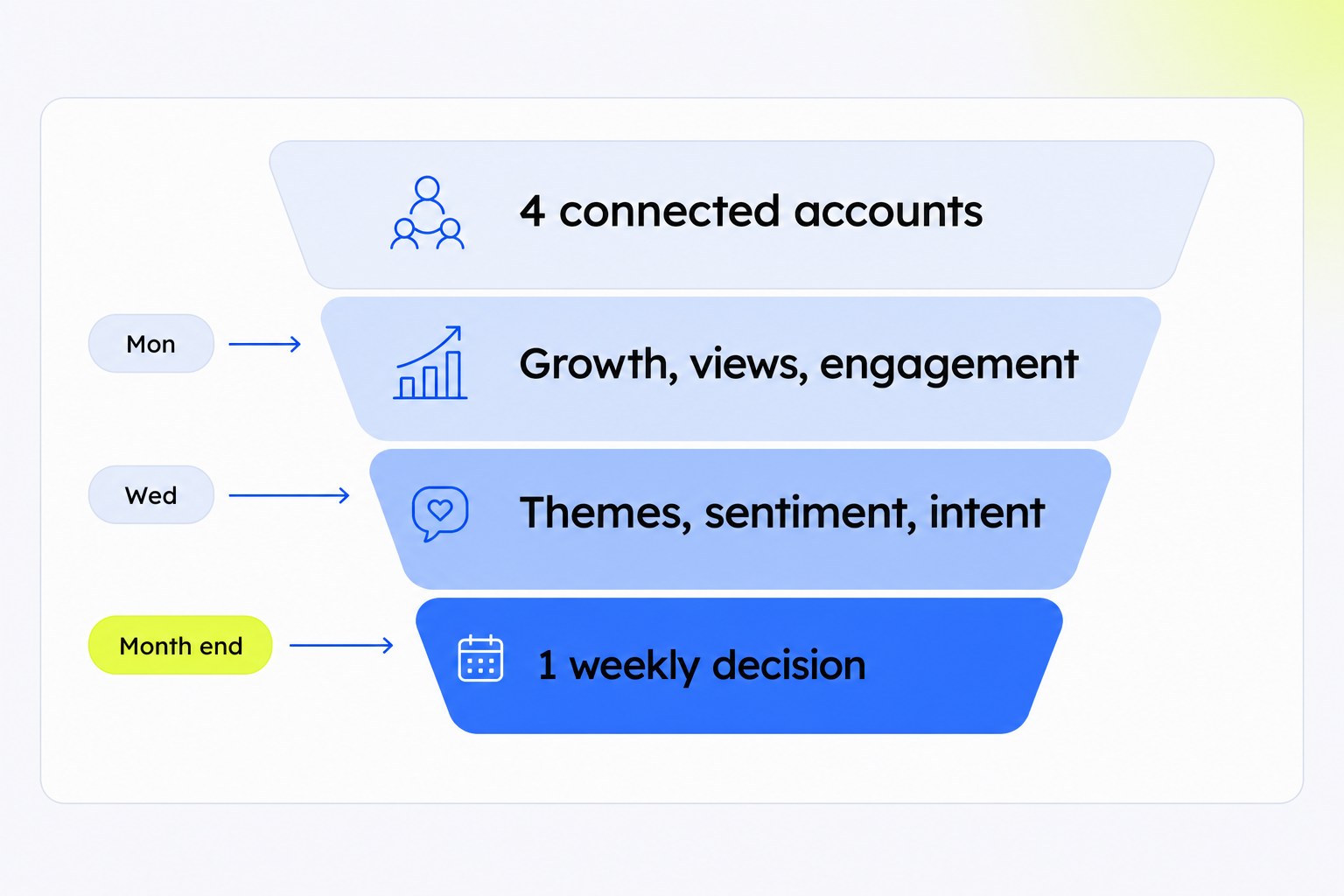
Feature lists do not tell you what a tool is like to live with. A week does. Here is what the platform does for a brand team from Monday to month end.
Monday: the 10-minute check
Instagram, YouTube, TikTok and Facebook accounts sit in 1 dashboard with first-party data. Follower growth, content output, views and engagement are shown for the week, the month and the quarter. Top and lowest performing posts are already sorted. The founder’s question gets a 2-line answer before the stand-up.
Wednesday: the diagnosis
Midweek is for the why. The platform labels your content by theme so you can see which topics are pulling engagement and which are filler. Comments are sorted into positive, negative and neutral, with purchase intent and product or service feedback picked out, so a spike in comments is either a sales signal or a delivery complaint and you know which. Creator collaborations and branded posts are tracked separately, so partnership performance does not blur into the organic average. Posting times come from your own history, and we cover how to read those in when to post on Instagram.
Month end: the report
Goals set at the start of the quarter, as a percentage or an absolute target for followers, views, engagement or comments, show daily progress with checkpoints. Cross-platform reports pull campaign performance, sentiment and hashtag data into 1 view and share as a link. If you currently build this by hand, our social media reporting template shows the structure the platform automates.
Why this matters more for Indian brands
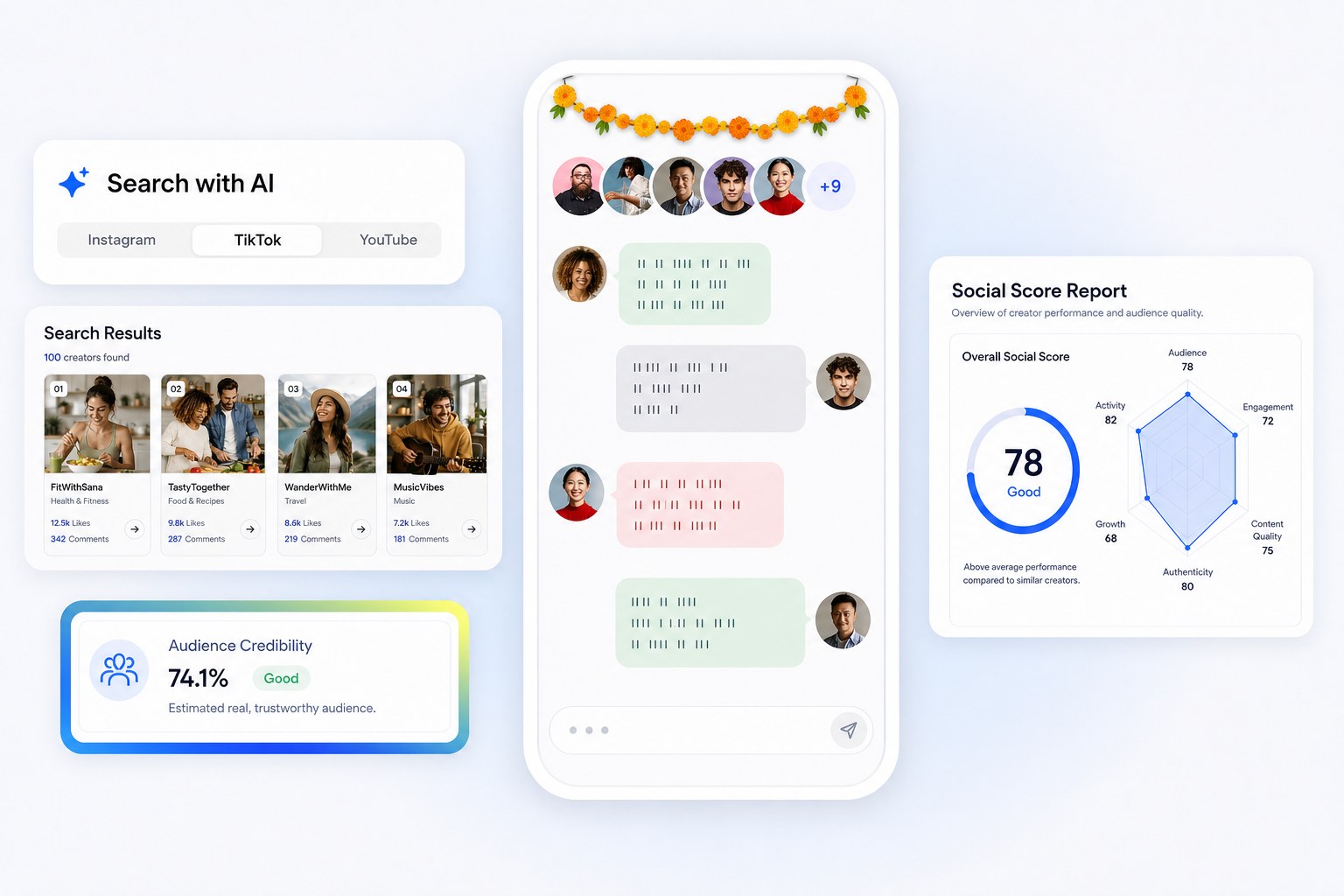
Three things make the Indian social team’s week harder than the category average, and all 3 are where a platform pays for itself.
The comment section is multilingual. A Tier 2 audience replies in Hindi, Hinglish and English, often in the same thread. Reading sentiment by scrolling does not scale past a few hundred comments. Sorting them by tone and intent does.
Creator campaigns run alongside organic, all year. Diwali, wedding season, Republic Day sales, IPL. A brand spending 5 to 15 lakhs a quarter on regional creators needs collaboration performance separated from owned content, or the creator budget gets judged on the organic average.
The audience is spread across platforms. A D2C brand’s YouTube audience in Lucknow and Instagram audience in Bengaluru behave differently. One dashboard that shows both is the difference between a real weekly decision and a guess.
The results at scale look like this. HealthifyMe tracked 2,000+ content pieces and cut analysis time by 75%. Supertails lifted brand engagement 60% with live monitoring of its own channels and sentiment. Retail teams weighing this can start from the retail platform page.
How to know if you need one
Run 5 questions past your team. If more than 2 take longer than a minute to answer, the gap is real.
- Why did engagement go up or down over the last 3 months?
- When is our own audience most active, by day and hour?
- Which content theme drove the most purchase-intent comments last month?
- How did our creator collaborations perform against our organic posts?
- Are we on track for this quarter’s follower and views target?
If the answers already come from a reliable process, even a spreadsheet one, another tool may not add much. You would be paying for information you already have. If the answers involve 4 apps, an intern and a guess, a platform is closing a real gap.
Before you buy, check 3 things on the pricing page of any platform: which of your accounts it connects to, whether comment analysis is included or an add-on, and whether reports can be shared as a link. The free Starter plan on CultureX is enough to see the layout before you commit.
See CultureX in action
Connect 1 of your own accounts on the call and see the Monday check, the diagnosis and the report on your real data.
Frequently asked questions
What is a social media analytics platform?
A tool that connects to a brand’s own social accounts and measures how they perform over time: growth, reach, engagement, content performance and audience response. Its job is to explain performance, not to publish content or monitor the wider internet.
Is a social media analytics platform the same as a scheduling tool?
No. A scheduling tool plans and publishes posts and shows basic numbers as a byproduct. An analytics platform is built to measure and explain performance in depth over time, which is a different and much deeper job.
What is the difference between social media analytics and social listening?
Social listening tracks conversations across the internet about a brand, topic or category, including ones the brand never took part in. Social media analytics focuses on the brand’s own channels and content. On CultureX these are separate suites: the Tracking Suite for your own accounts and the Listening Suite for competitors and the wider conversation.
What metrics does a social media analytics platform track?
Follower growth, views, reach and engagement over time, top and lowest performing posts, content themes, comment sentiment and intent, creator collaboration performance, posting-time patterns and progress against goals.
Do Indian brands need a dedicated social media analytics tool?
It depends on whether the team can already answer the basic questions, why engagement moved and when the audience shows up, from a reliable source. If the answers need 4 apps and a guess, a platform is solving a real gap. Multilingual comments and year-round creator campaigns make that gap wider for most Indian brands.